
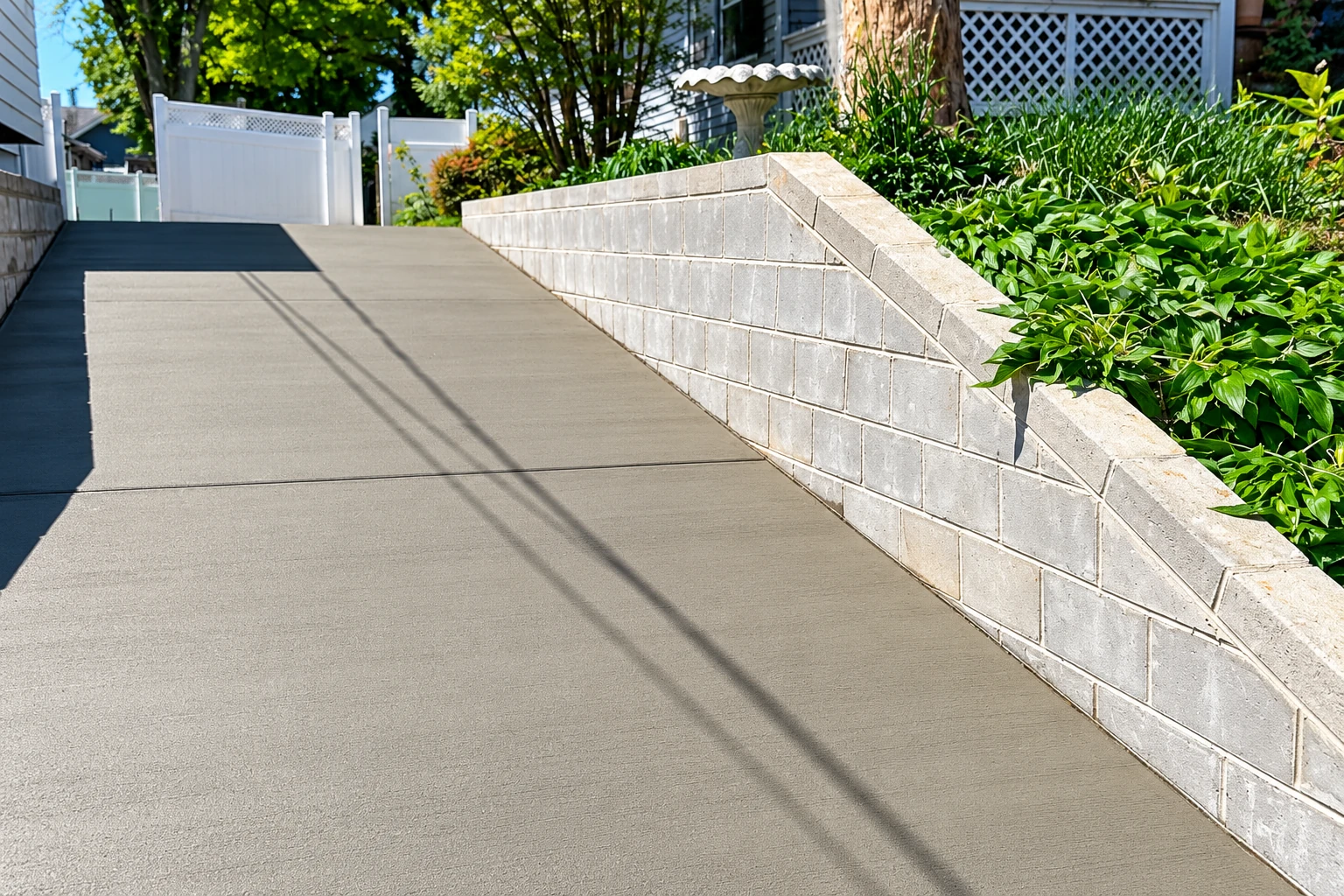
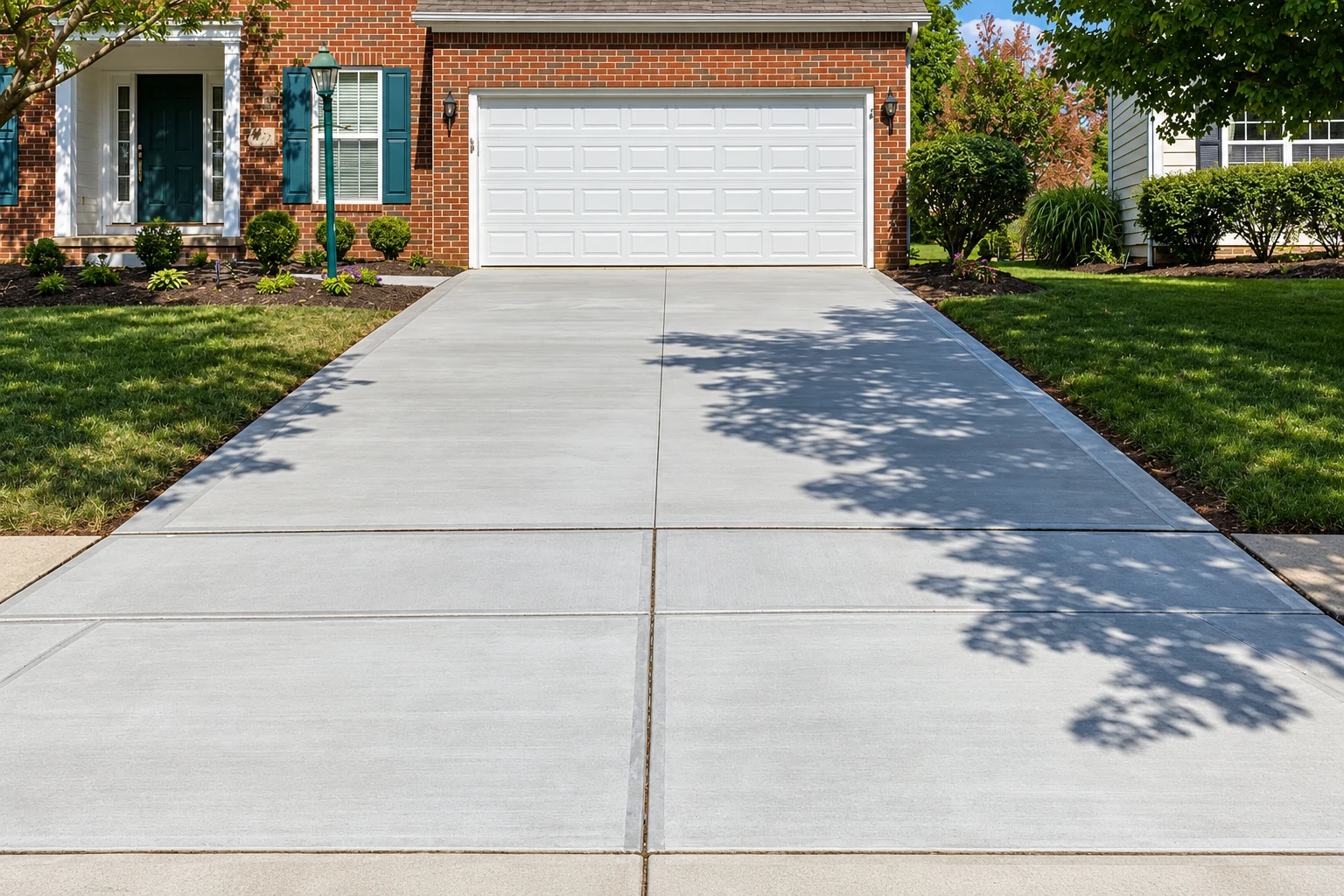
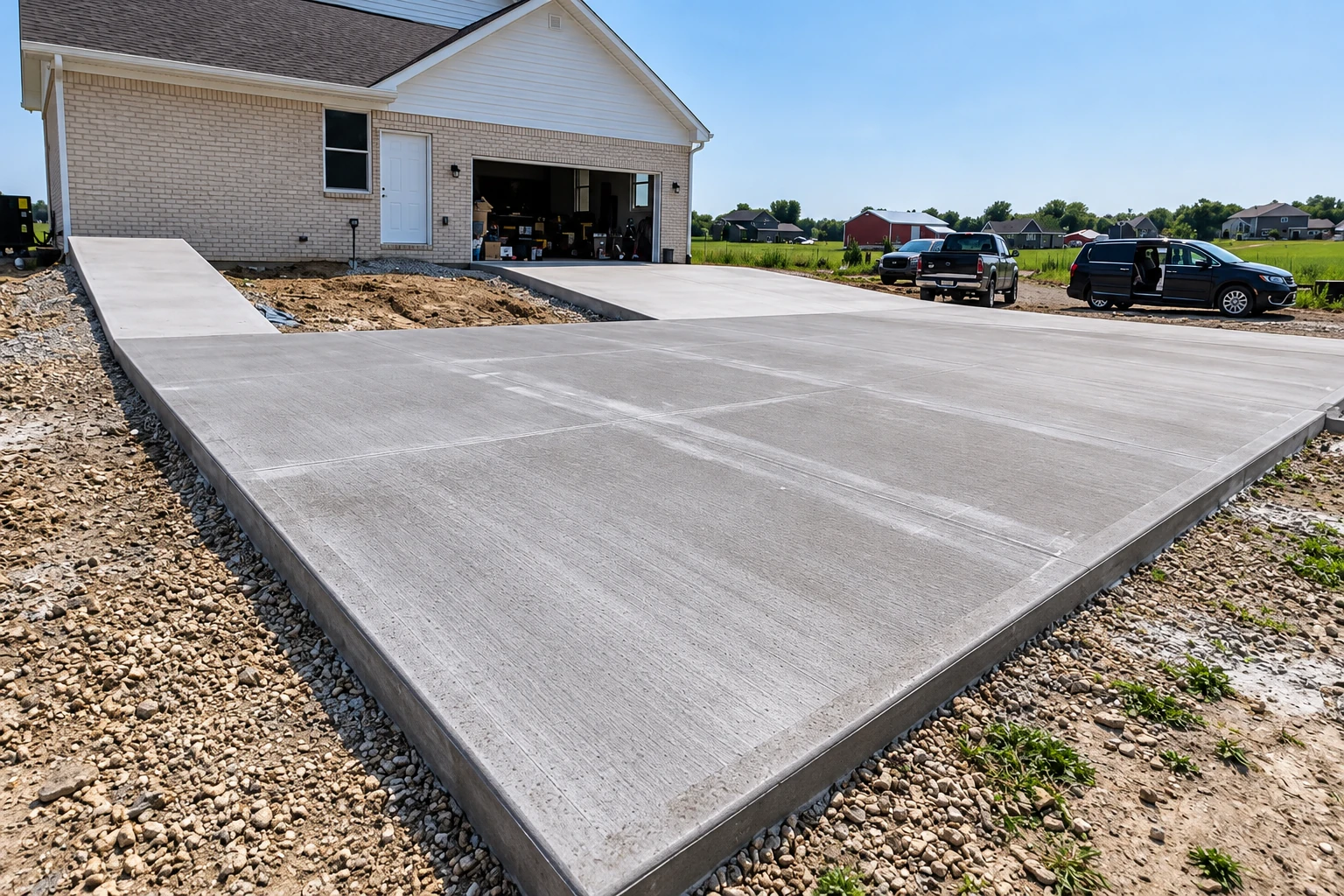
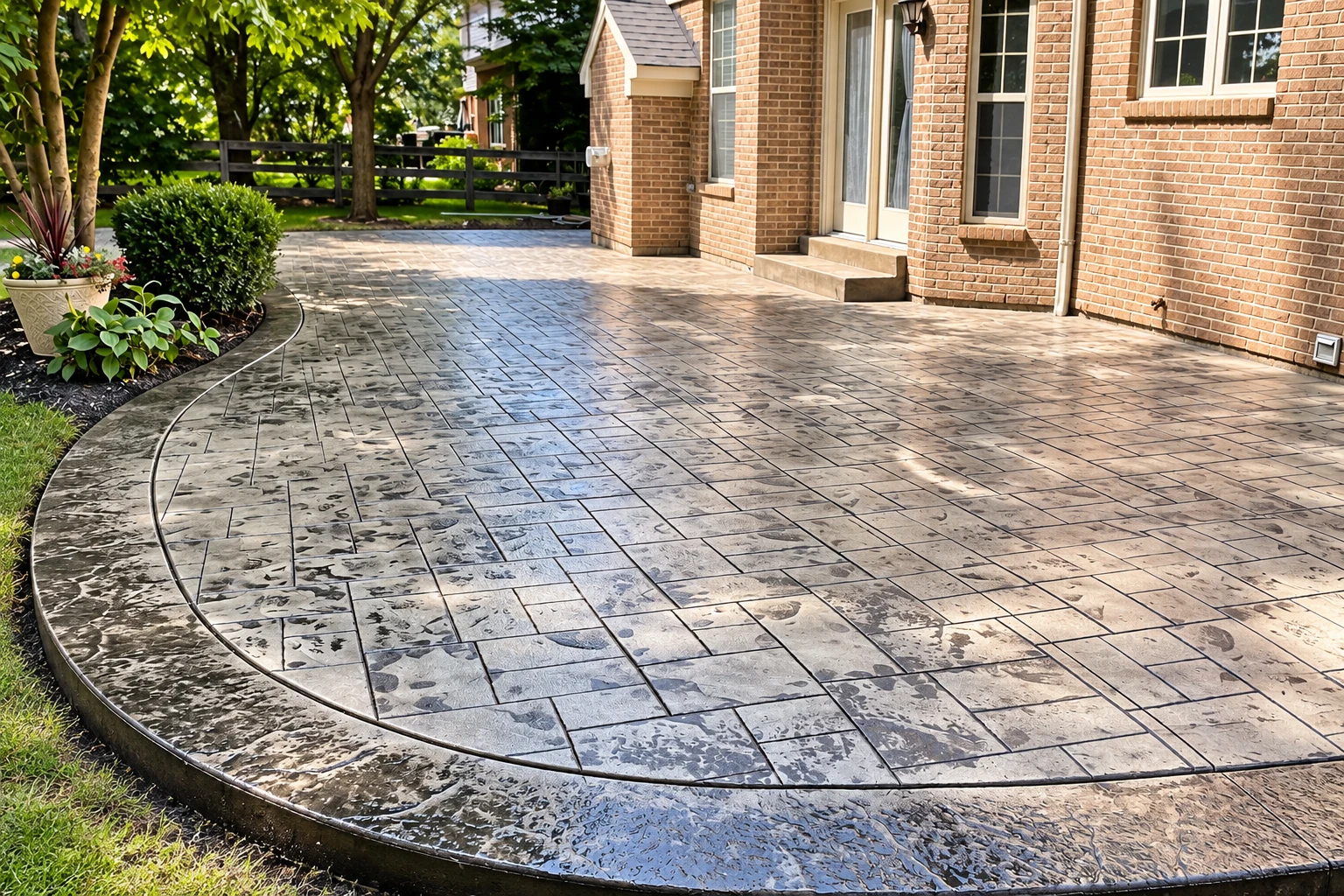
The calls we get from West Carson are for the same things we see in Torrance and Lawndale. There are driveways that have cracked, back patios that have sunk and walkways that have started to trip people. It's county land rather than a city, which matters when it's time to sort out a permit, and we cover that in the questions below.
On older slabs like these, the trouble usually starts underneath or with the water. A slab poured falling toward the house sends rain against your foundation instead of out to the street, and pooling water softens the ground under it until it drops. When I come out, I watch where your water runs and check how firm the ground is before I talk about concrete, because that decides how much digging the job needs and which way the new slab should fall.
Where cracks and sinking start
Concrete cracks, so the real work is deciding where it cracks and keeping it from settling. We dig out to firm subgrade, the ground the slab sits on, and pack a base so the slab doesn't sink with the dirt. Rebar, the steel laid inside, holds the pieces together, and we cut control joints, shallow grooves that give a crack a straight line to follow, before the slab picks its own spot. The old finisher I learned under said the base matters more than the finish. If your budget's tight, cut the fancy finish before the base, because nobody can fix a base once it's under concrete. We do the same groundwork under slab foundations too.
What sets the price of your job
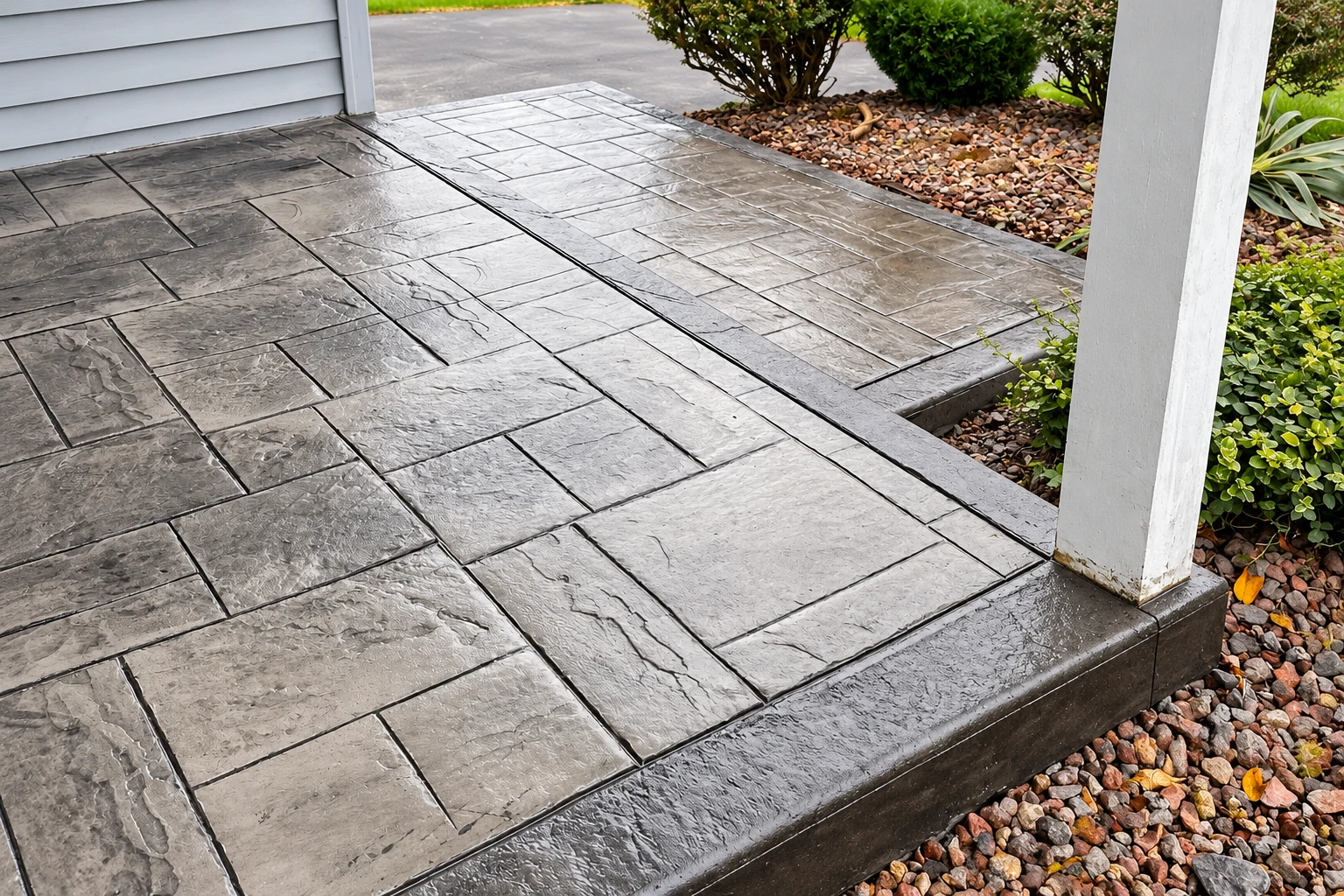
The price comes down to how big the slab is, how much old concrete we have to break out and haul away, and how much digging and base the ground needs before we pour. Access matters too, because a truck that can back right up to the forms is simpler than a pump or a line of wheelbarrows down a side yard. A broom finish, the light brushed texture that gives your shoes some grip, is the plain option, and stamped or decorative work adds to the cost. I come out, look at the ground and write the estimate myself, so your number is for your house and not a guess.
How long you're off the driveway
The schedule turns on whether your job needs a permit and inspections, on the weather, and most of all on curing, the stretch where fresh concrete hardens and gains strength before it can take weight. You can usually walk on a new slab well before you can park on it, and a car on it too soon is how good concrete cracks early. We like to pour in the cooler part of the day, because a slab that dries too fast in midday heat can end up with a weak, dusty top. Our crew does the forming, pouring and finishing, and I'm by the site as the job goes.