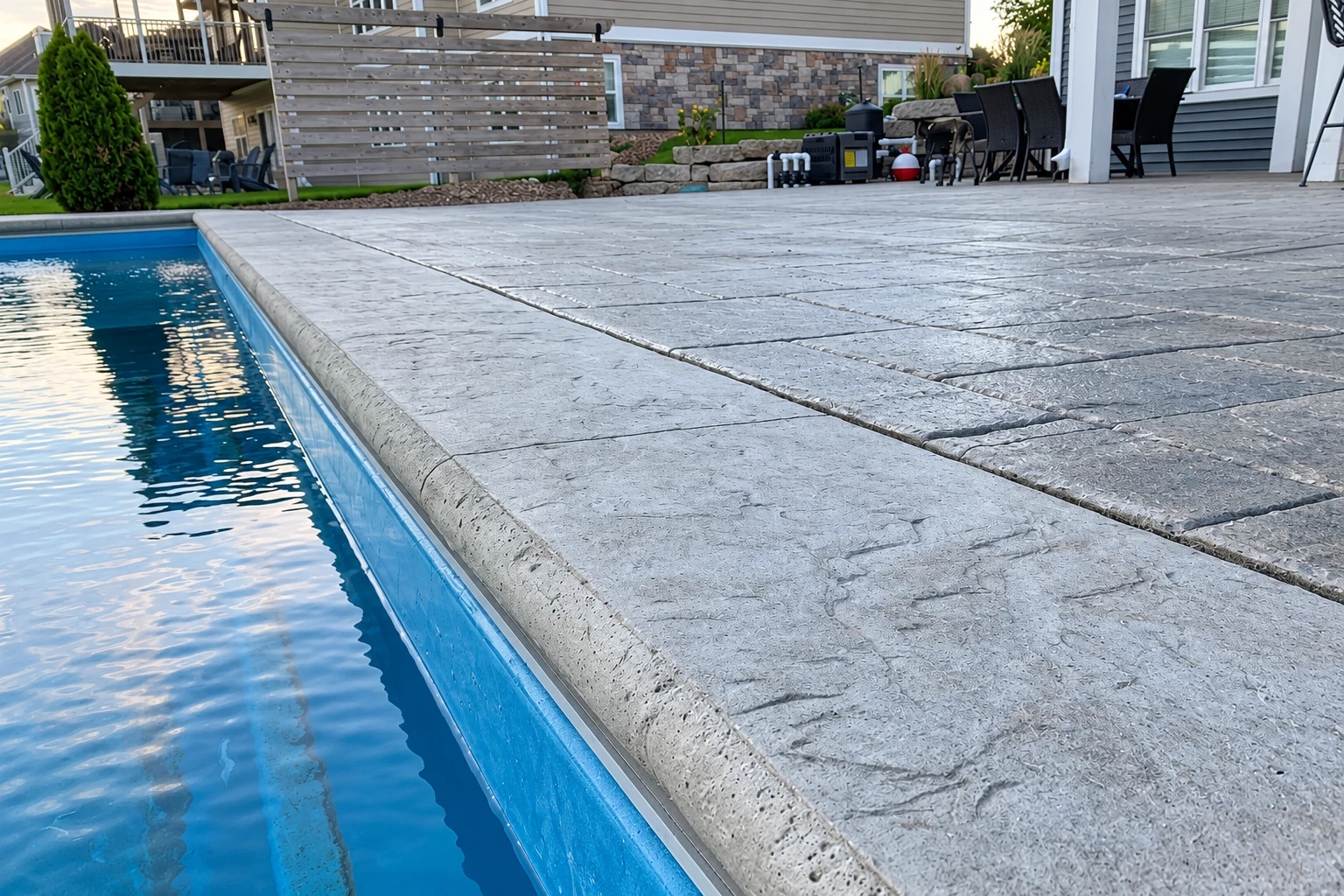
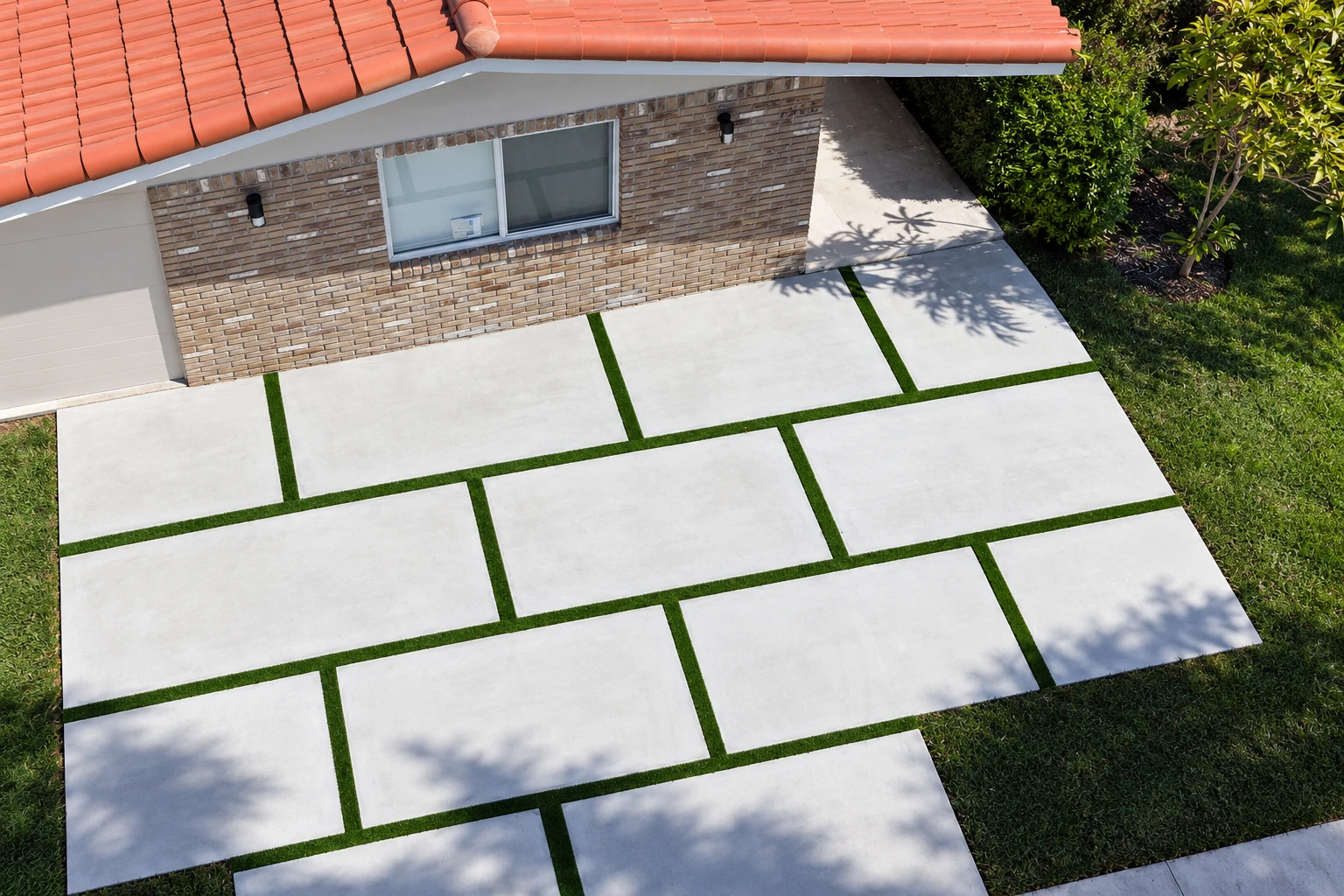
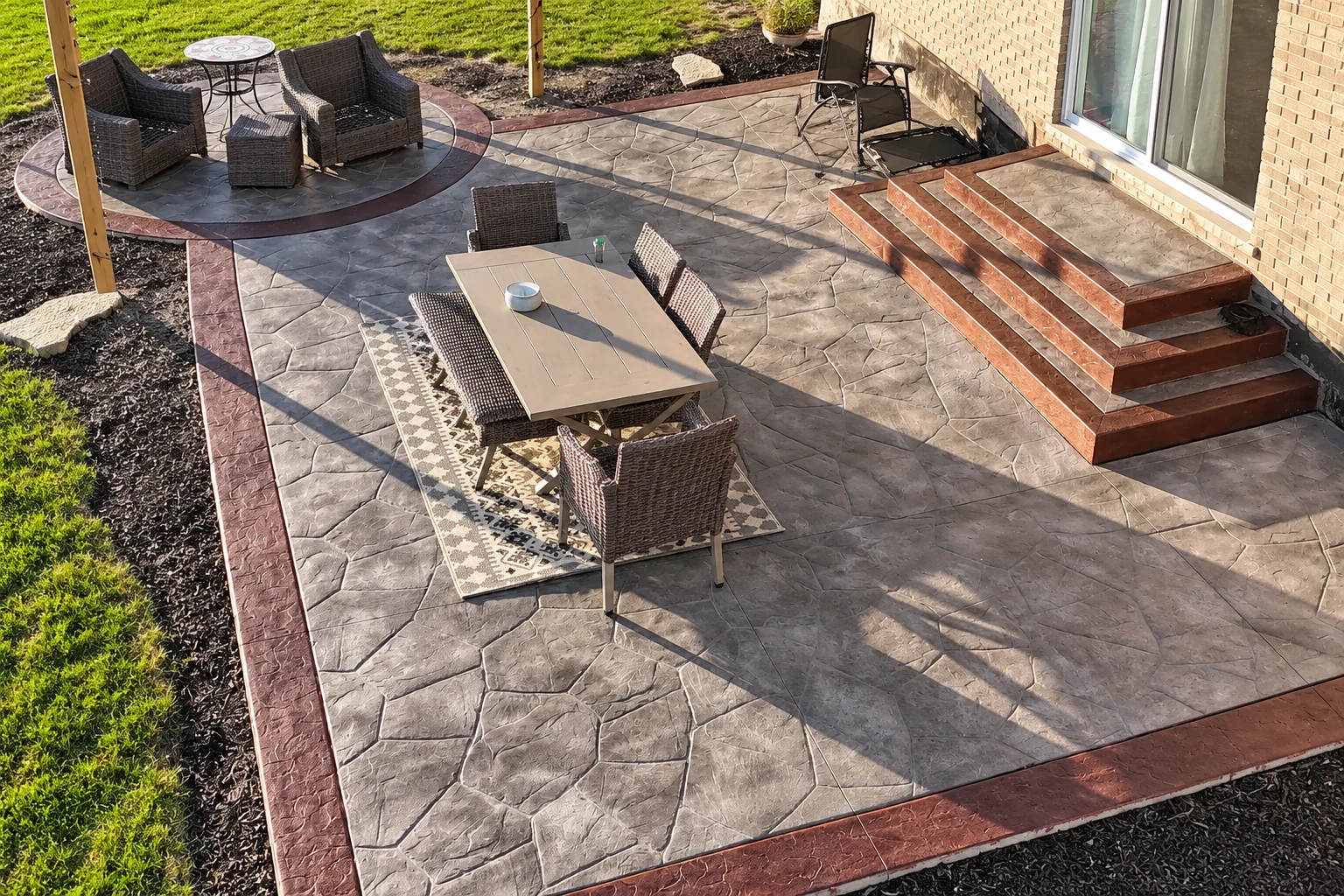
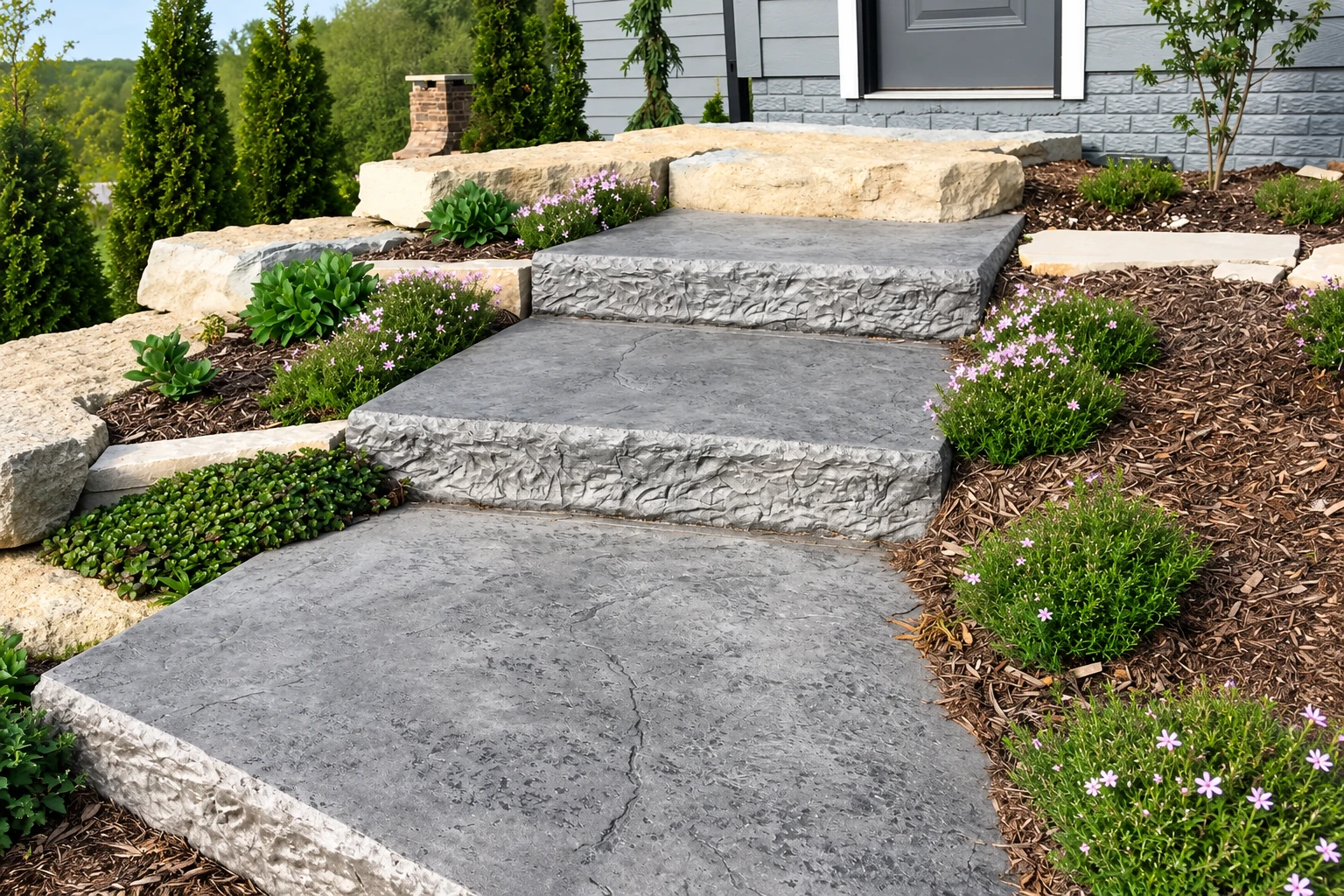
Most of what we're asked to pour in Gardena is flatwork, the flat slabs like driveways, patios, walkways and garage floors, on level lots with single-story houses. A lot of those houses are old enough that the original slab has cracked, sunk at a corner or started holding water by the garage. Gardena also has plenty of shops and light industrial buildings, so we get calls about parking areas and work yards too. It's a short drive from our base in Palos Verdes Estates, and we do the same work next door in Torrance and up the hill in Rolling Hills Estates.
The ground here is mostly level, but the city's earlier general plan shows a state-mapped active fault zone in the northeast part of Gardena, near El Segundo Boulevard and Vermont Avenue. Wherever the state has mapped a hazard zone, it has found weak soil or rock is likely underneath, and that ground can fail in an earthquake unless grading and construction account for it. So on footings and foundations, we want to know what we're building on before we set the forms that shape the concrete.
What moves the price and the schedule
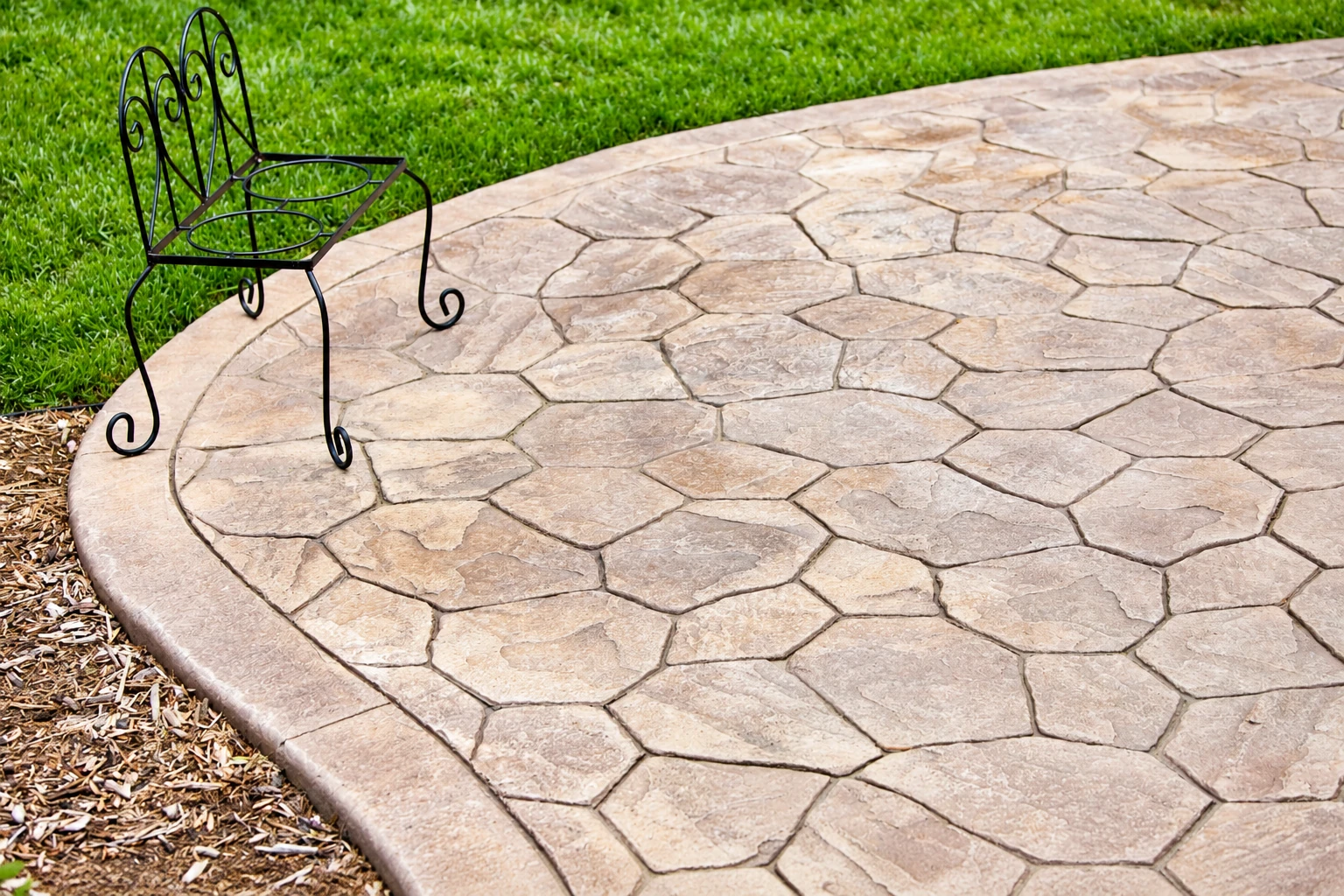
The price mostly comes down to the size of the slab, how thick it needs to be, whether there's an old driveway or patio to break out and haul off, and how much digging the base takes. Access counts too, since a tight side yard means more hand work than a driveway we can back a truck onto. A plain broom finish, the light brushed texture that keeps feet from slipping, costs less than the color and patterns on our decorative concrete page. The schedule turns on whether a permit is needed and on the curing wait after the pour. I come out, look at the job and write the estimate myself.
Why we put the money in the base
The part that decides how long a slab lasts is the part you never see, the subgrade, meaning the ground under it, and the gravel base we pack over it. Plenty of sunken, cracked driveways started as dirt that was raked level instead of dug out and compacted, so the concrete settled right along with it. When a budget gets tight, the base is the first thing people want to cut, and it's where I push back, because a nice finish on a soft base still tends to crack. My old boss drilled that into me back on his finishing crew. We also check where the water runs, so the slab falls away from your house instead of toward it.
How we keep cracks where they belong
Concrete shrinks as it hardens, so some cracking is normal, and the job is making it happen where we choose. Control joints are straight grooves we cut across the slab on time, so the crack follows the groove instead of wandering across the middle. Rebar, the steel we set inside a slab when the job calls for it, holds the pieces together if one does open up. We like to pour early in the day, because a top that dries out in midday heat can go weak and dusty later. Curing, the slow hardening after the pour, takes patience, and you can usually walk on it well before you can drive on it.