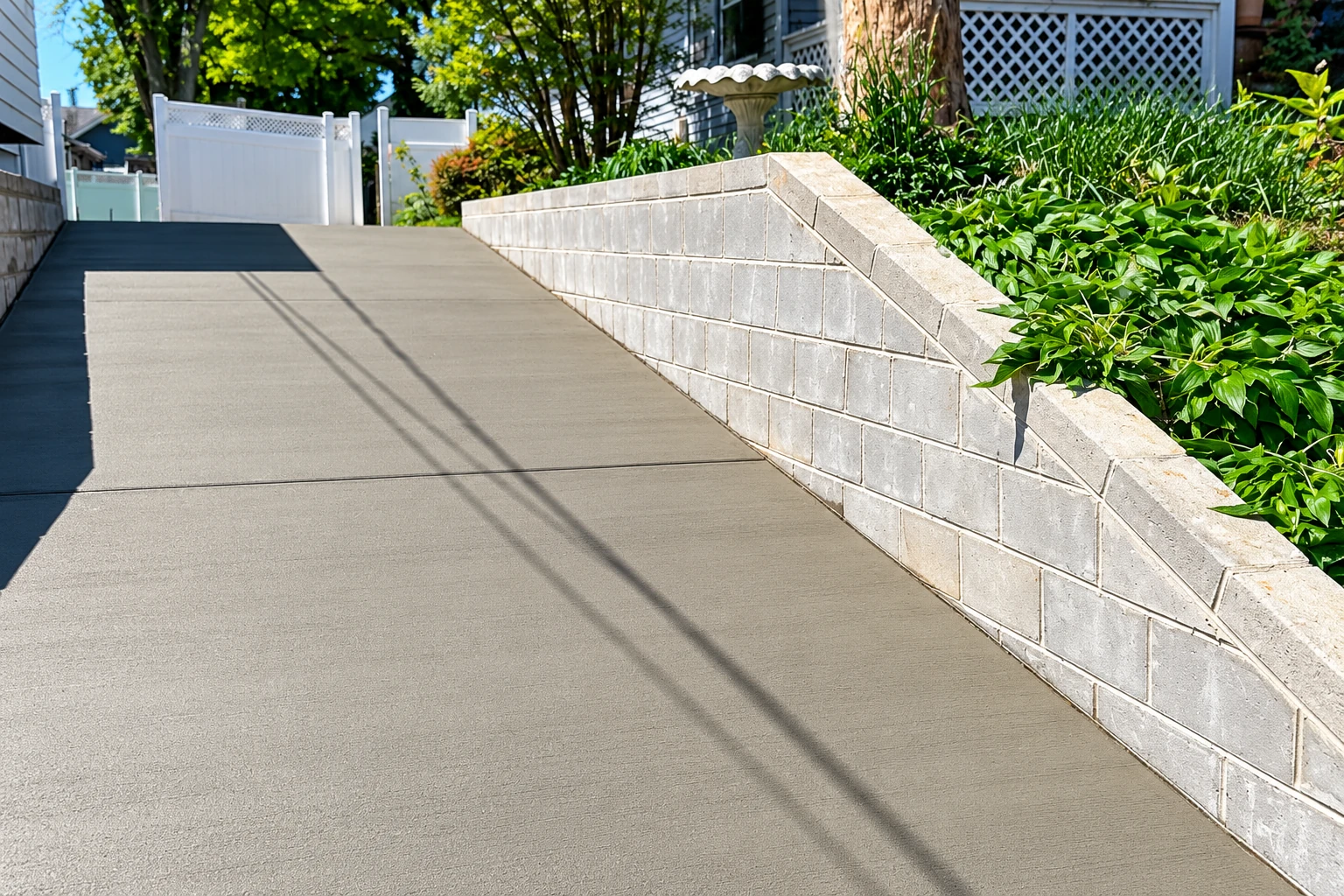
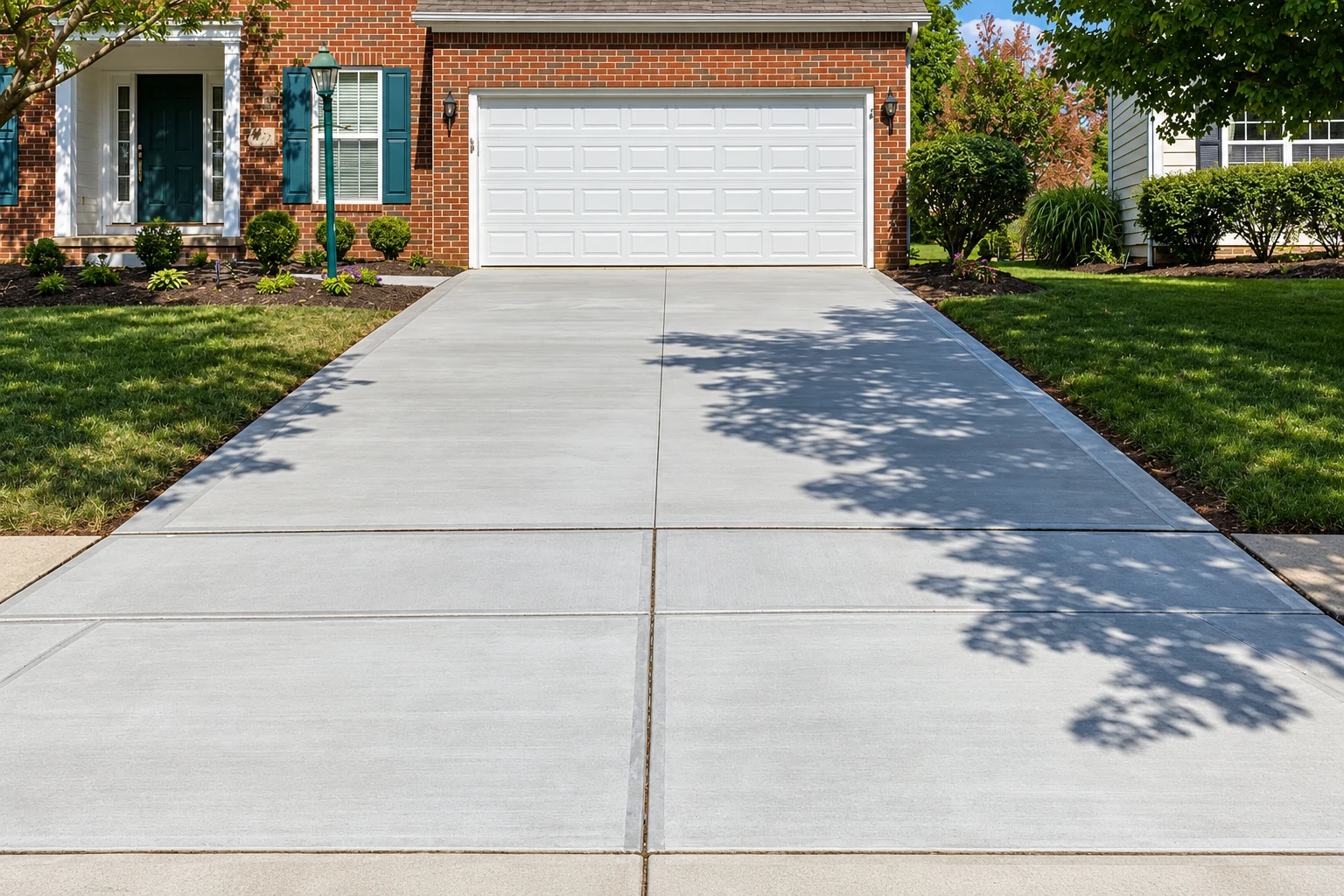
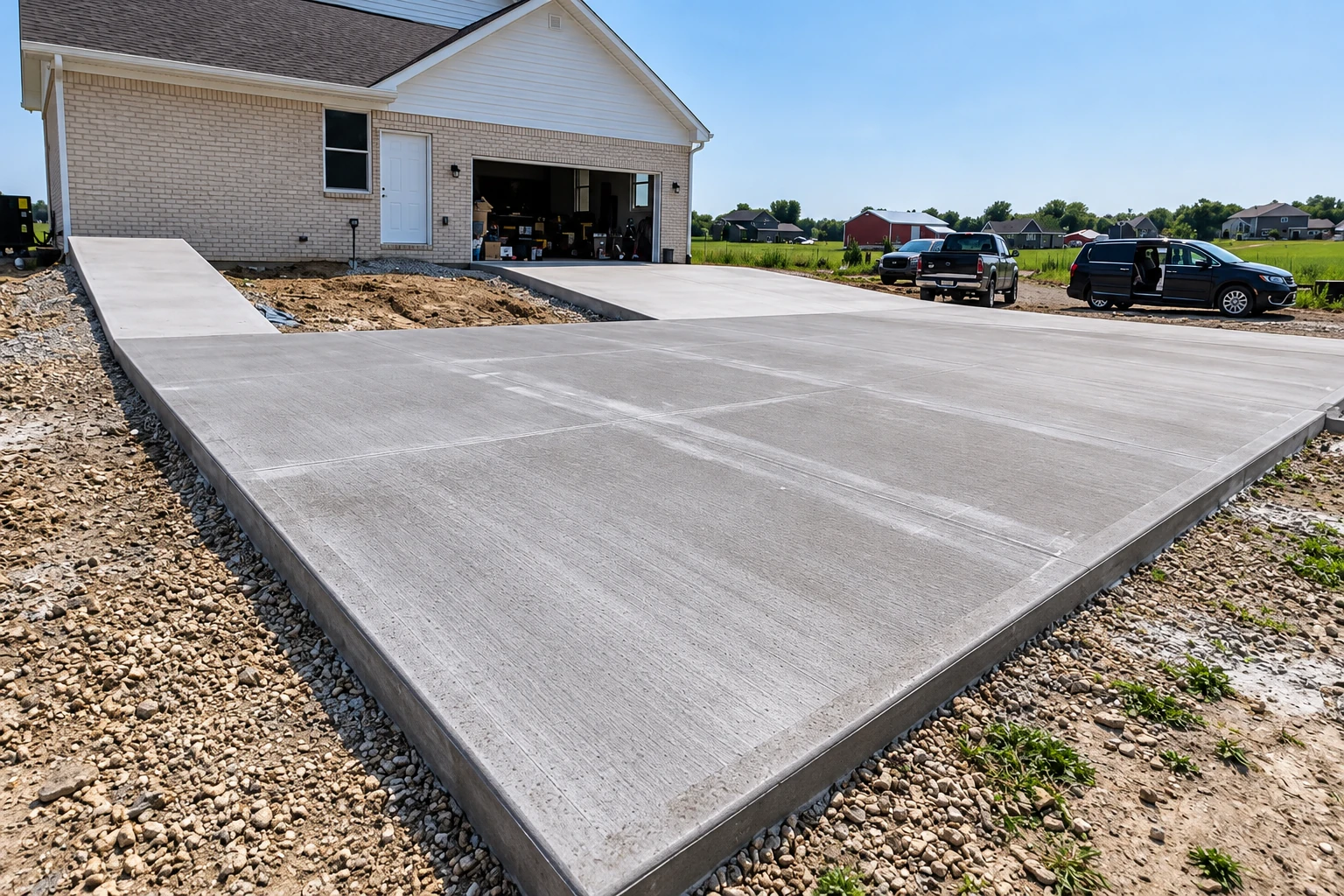
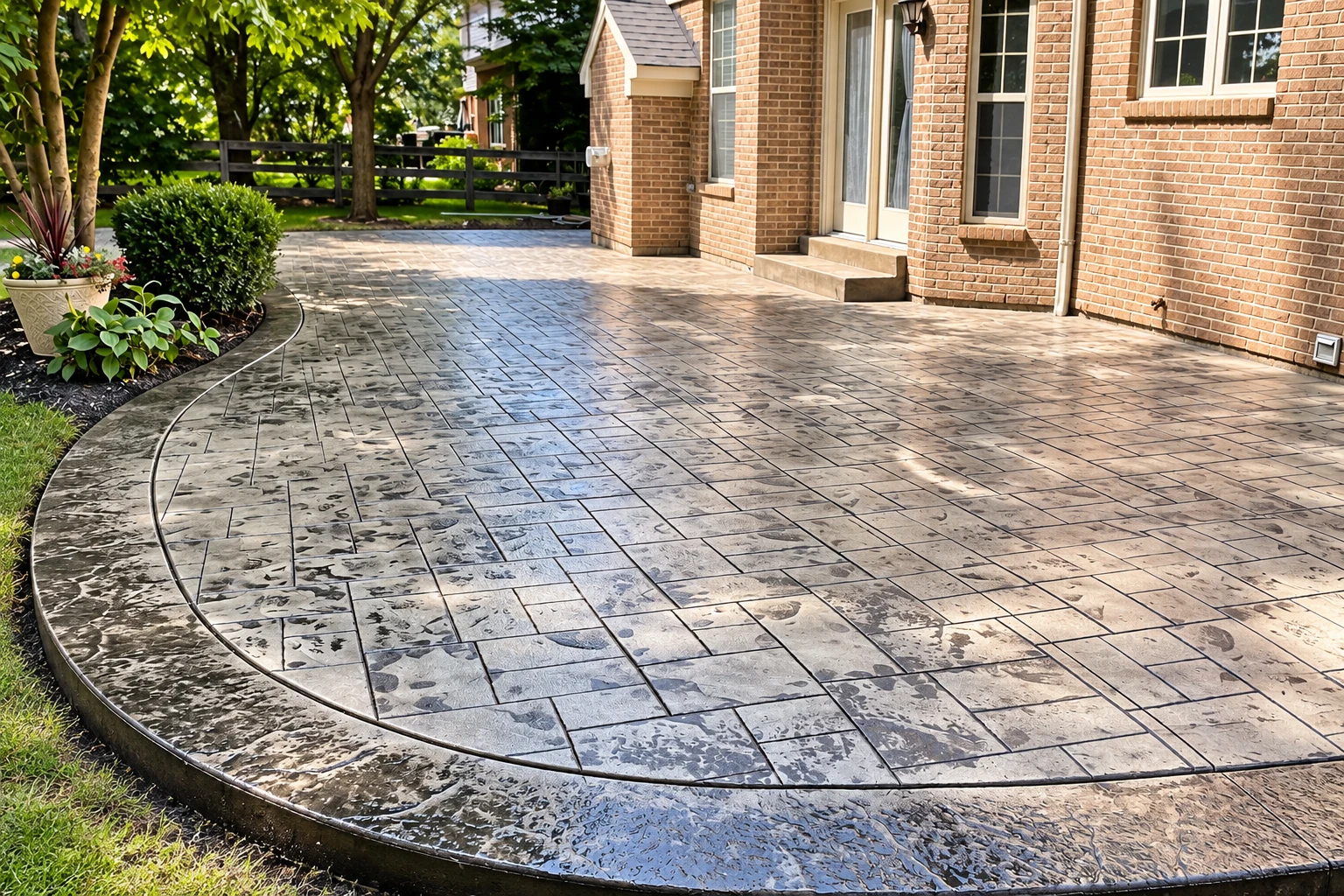
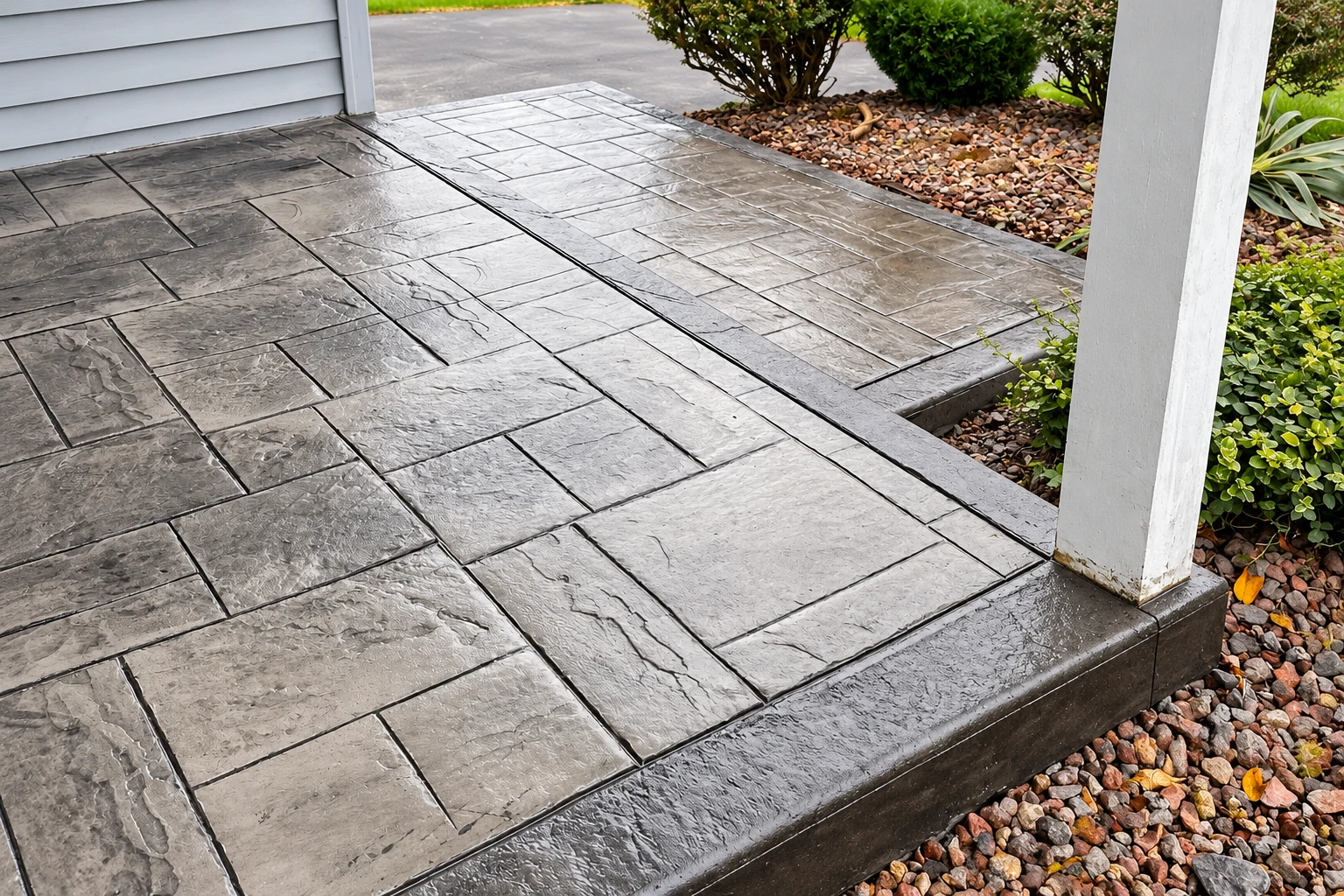
This is our home city, so most of what I know about concrete on the hill I learned on jobs here. Plenty of the houses have been around a long time, with original driveways and walks that have settled and cracked. Many lots sit on a slope, so the driveway climbs from the street and the back patio often needs steps or a wall to stay level.
We also work in the cities around it, from Rancho Palos Verdes next door to Redondo Beach down the hill. Up here, though, the slope runs the job, because water heads downhill toward whatever we pour and the base has to be dug out and packed so it won't settle or slide with the dirt.
Permits and who handles them
Before new construction, additions, remodels, or walls and fences, the city asks you to check with its Planning and Building Departments. That list doesn't name driveways or patios, so we check before we start rather than guess. When a job needs a permit, we take care of it and set up the inspections. Work reaching into the street usually needs an encroachment permit from the city's Public Works office, through its online permit portal, and the city lists a City Business License and a Contractor's License among the papers to have ready. Ask any contractor you're weighing for both. We're fully licensed and insured.
What sets the price and the timing
Price comes down to how big the area is, how thick the slab needs to be, how much old concrete we break out, how deep the base work goes and how hard it is to get the crew and the concrete truck up a sloped lot. A broom finish, the light texture that keeps wet concrete from getting slick, costs less than stamped or colored work. Timing turns on the approvals, the city's inspection days and its posted construction hours, which are shorter on Fridays and Saturdays. It also turns on curing, the wait while concrete gains strength before you walk or drive on it. I come out and write the estimate myself, so your own number comes from that visit.
Why the base matters more than the finish
The finisher I learned under would make me pull my forms and reset them if they were off at all, and he cared even more about the subgrade, the packed ground a slab sits on. That's the part nobody sees on day one, so it's the first thing people want to cut. I'd steer your budget there before a fancy surface, because a slab on raked dirt settles with the dirt. We dig out and pack the base, pitch the slab so water runs away from your house, and cut control joints, grooves that give concrete a planned place to crack. It'll still crack some, usually where we chose. Same goes for a new concrete driveway or a patio.