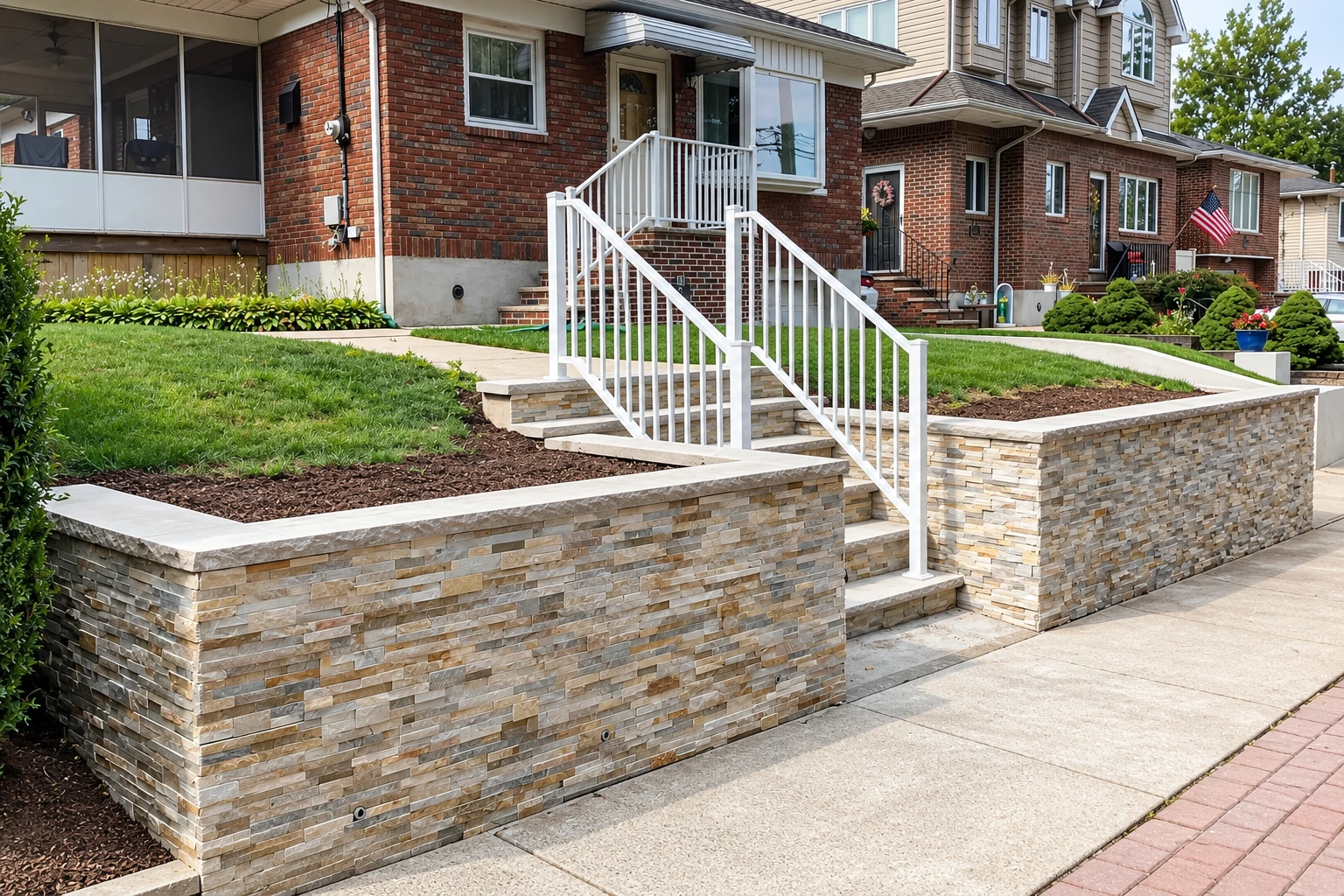
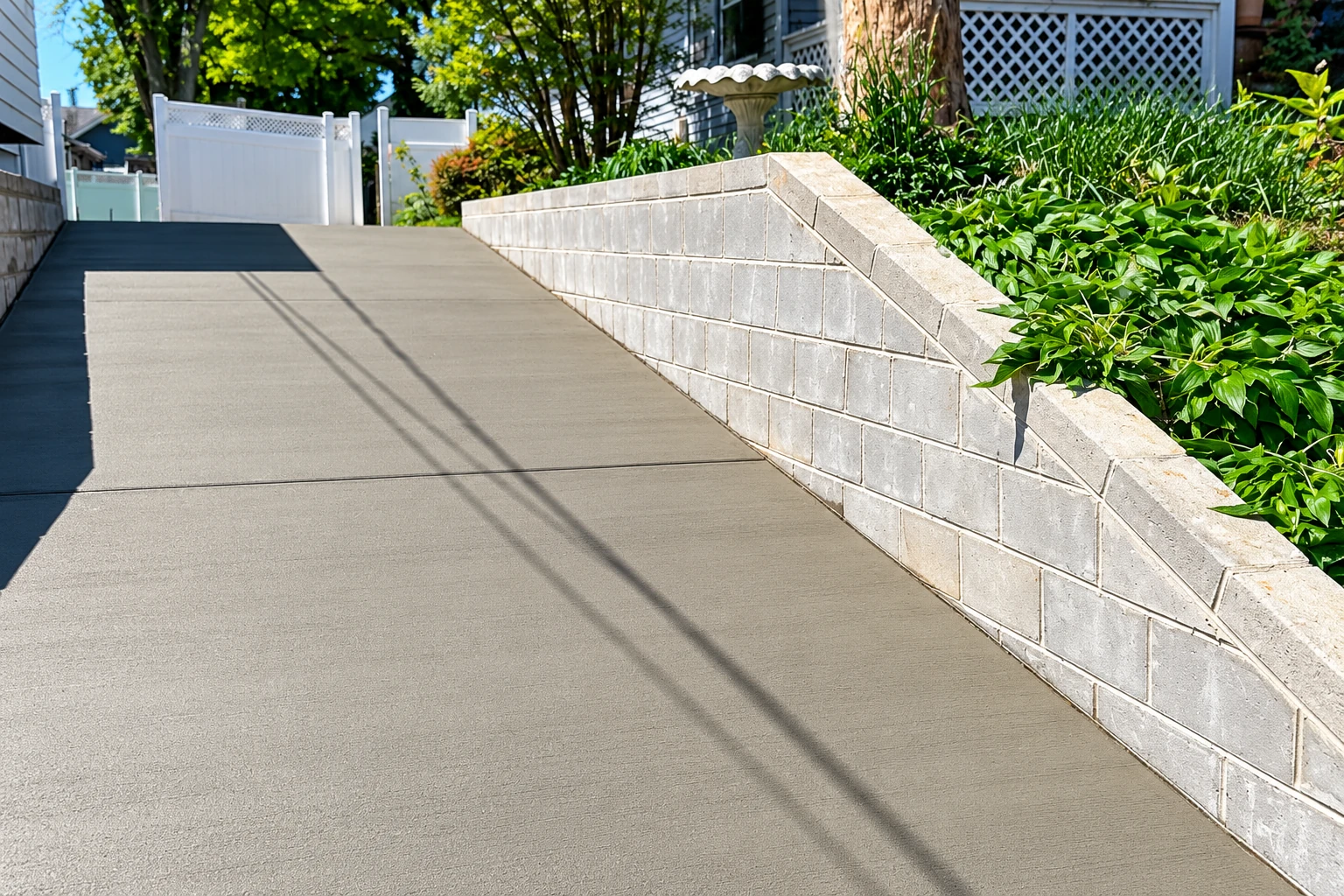
Manhattan Beach is mostly homes set close together on narrow lots, and newer rebuilds often stand right next to older houses that still have their first driveway and patio. On our jobs here the driveway tends to be short, the side yard is tight and the garage often opens onto an alley, so much of what we plan is how the crew, the forms and the concrete truck get in without blocking a neighbor.
We're a concrete contractor based in Palos Verdes Estates, and we do the same driveway, patio and wall work in Hermosa Beach and West Carson. What's under an old slab here changes from one lot to the next, so we dig it out and look before we pour anything new.
Permits and who to ask at the city
The city's Community Development department takes permit applications for construction, repair, remodel and demolition work, and its list names most excavation and pool or spa installations. It doesn't name driveways or patios on their own, so that's the office to ask whether yours needs a permit. If the work builds or changes any part of the sidewalk, the alley or the street, the city says permits may also be needed from Traffic Engineering or Public Works. When a job needs a permit, we take care of it and set up the inspections. Business licenses go through the city's Finance Department, so that's who to ask about one.
What moves the price and the timing
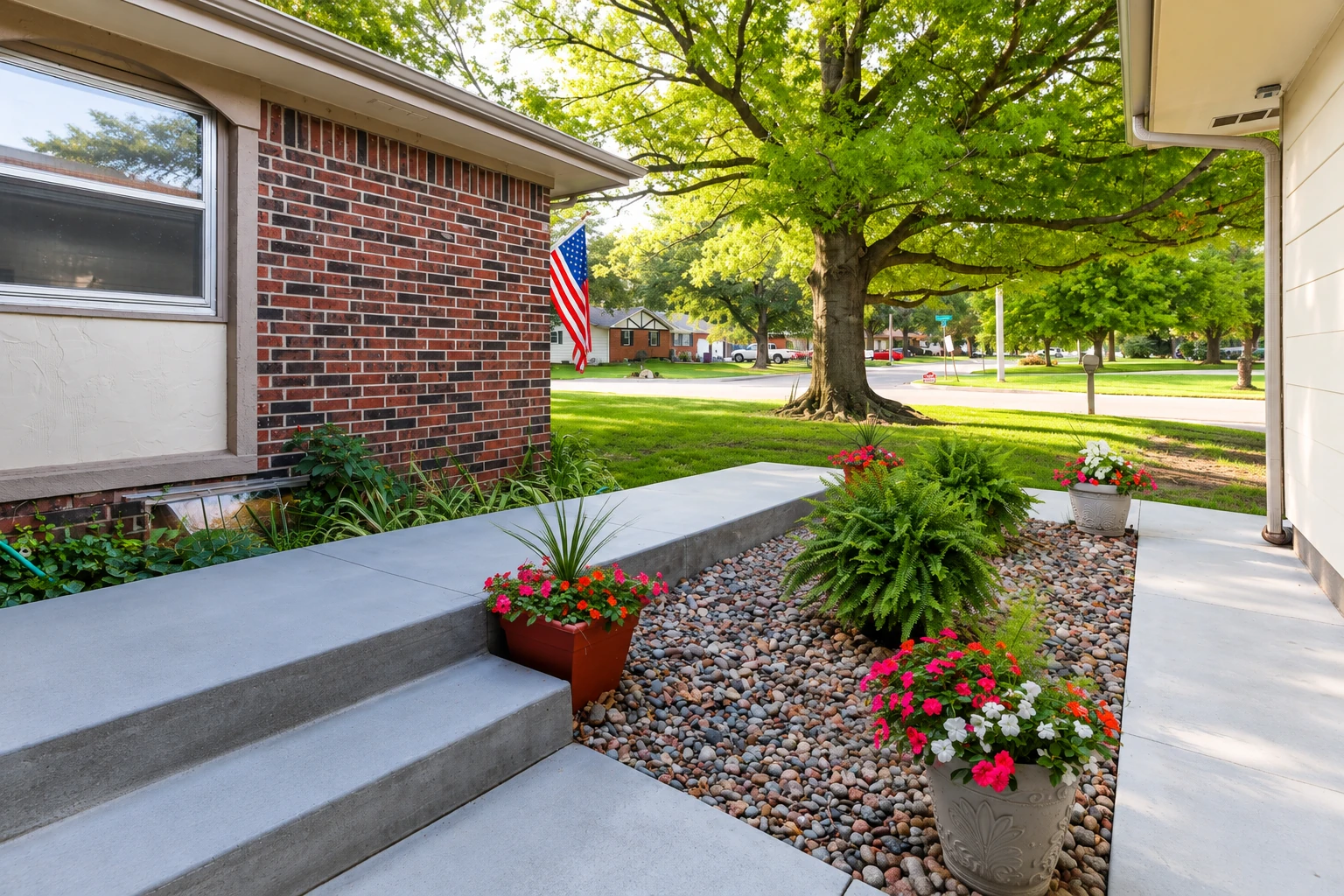
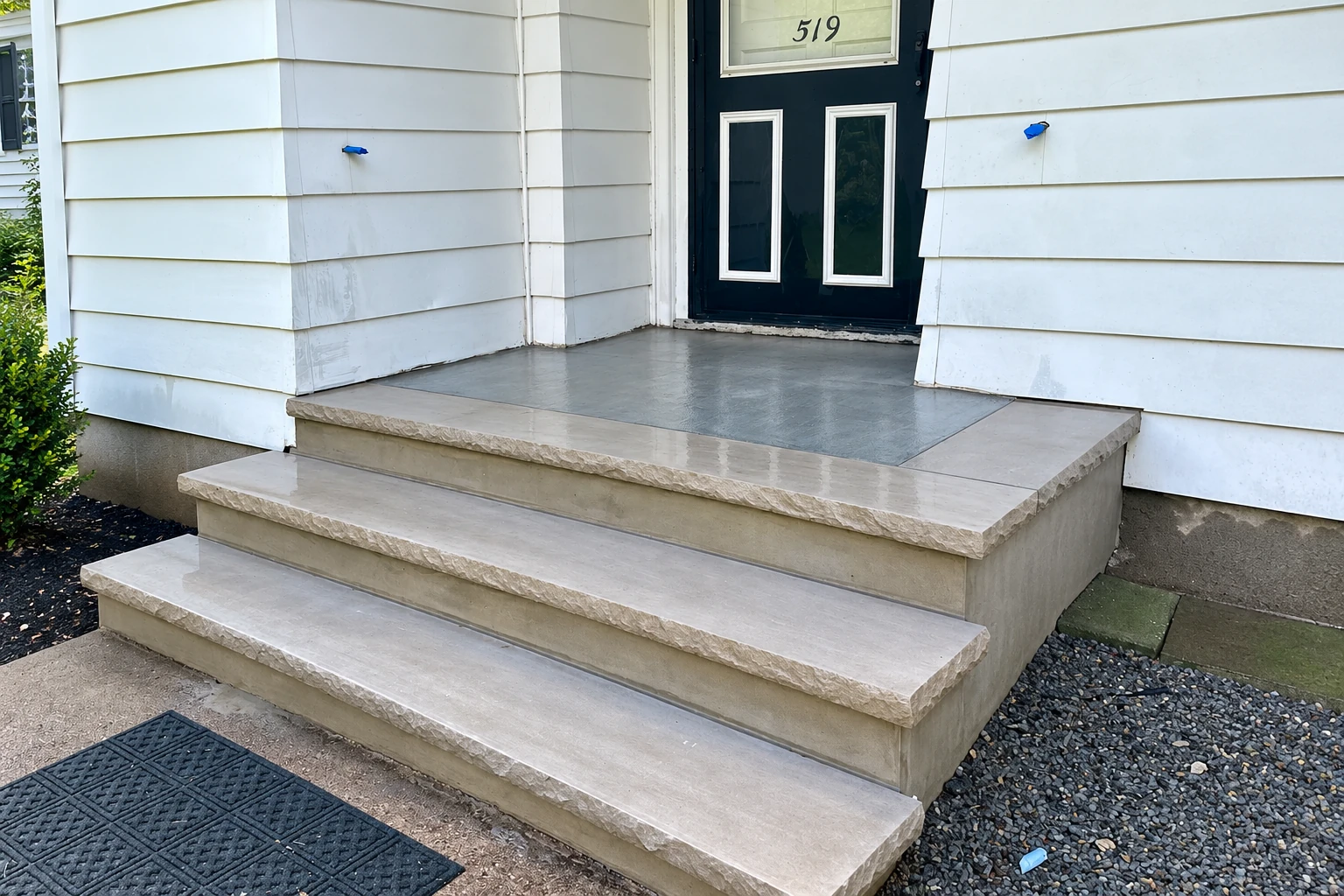
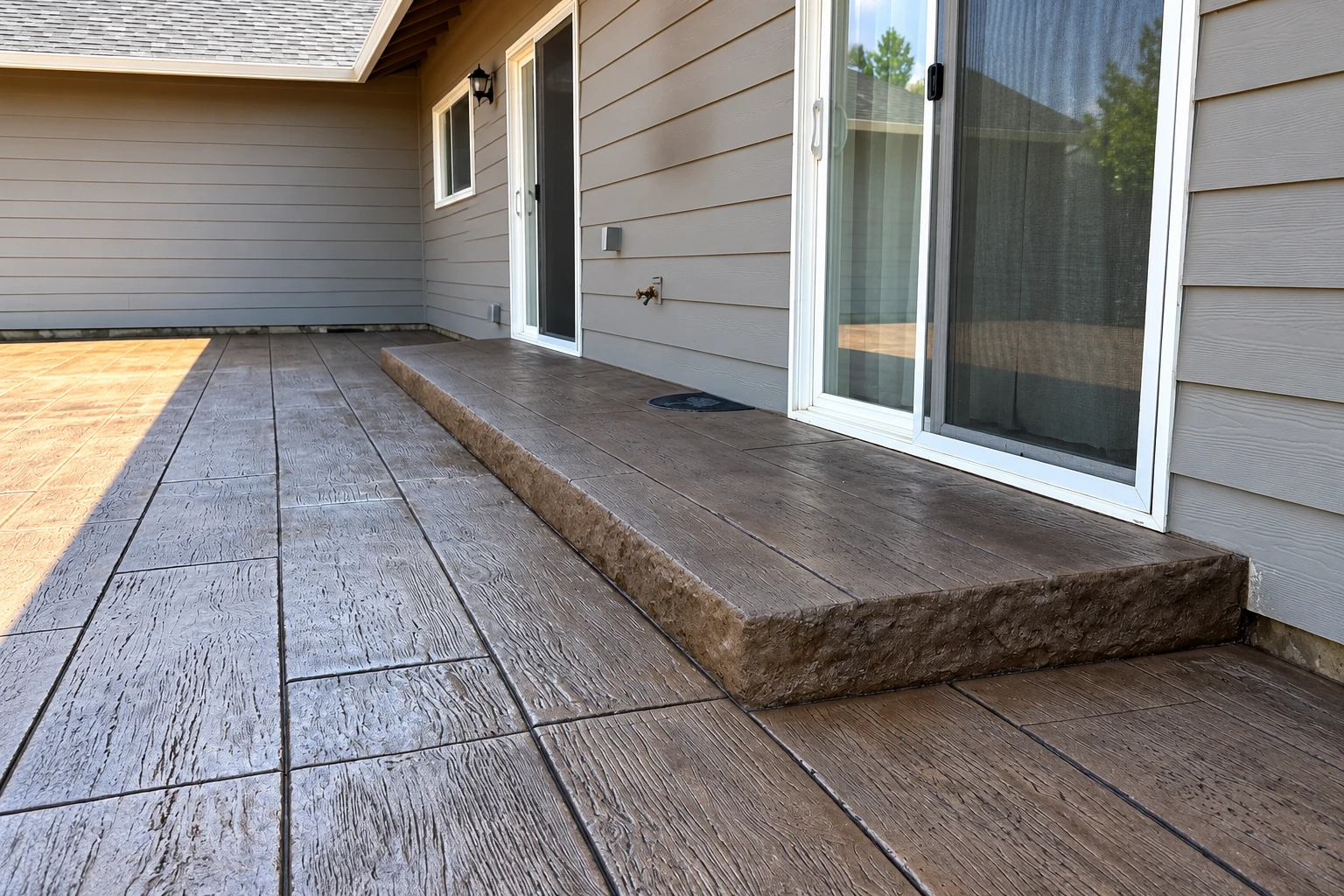
Size and thickness set the starting point. After that it's what's already there, because tearing out an old slab and hauling it off adds work, and so does a base that has to be dug deeper and packed. Tight access on a narrow lot adds labor, and a stamped or colored top costs more than a broom finish, the light dragged texture that keeps the surface from getting slick. Adding concrete steps where the yard changes level adds forming. Timing turns on the permit if your job needs one, the weather and the cure. I come out, look at all of it and write your estimate myself.
Why the base matters more than the finish
The base is the part nobody sees once the pour is done, and it's the first thing people want to cut when the budget's tight. I'd rather you spend there and keep the finish plain, because a nice top over dirt that was only raked level will settle and crack right along with that dirt. So our crew digs down to firm subgrade, the ground the slab sits on, packs the base over it and checks where the water runs so the slab falls away from your house. The old finisher I learned under made me pull my forms and reset them if they were off at all, and I still work that way.