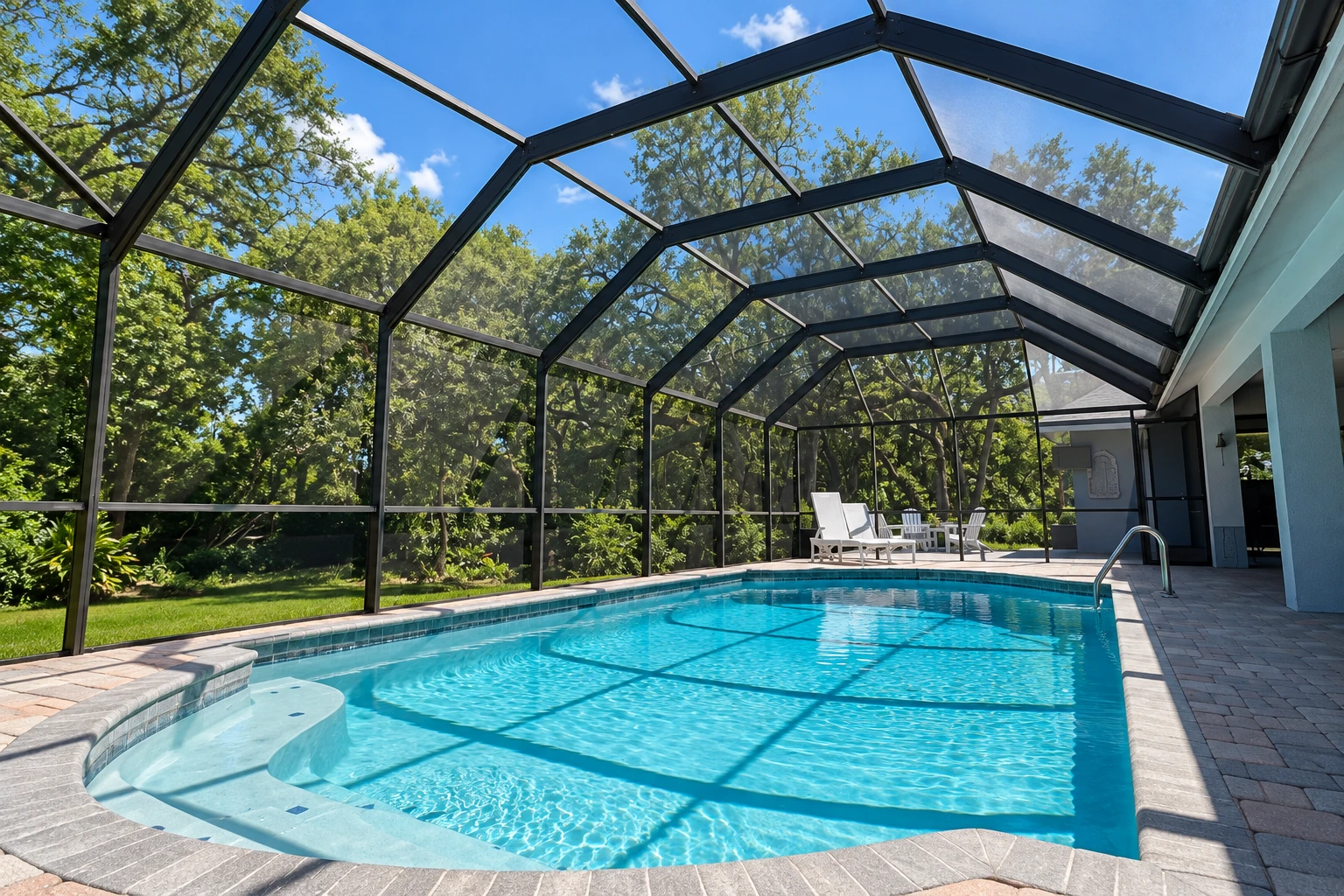
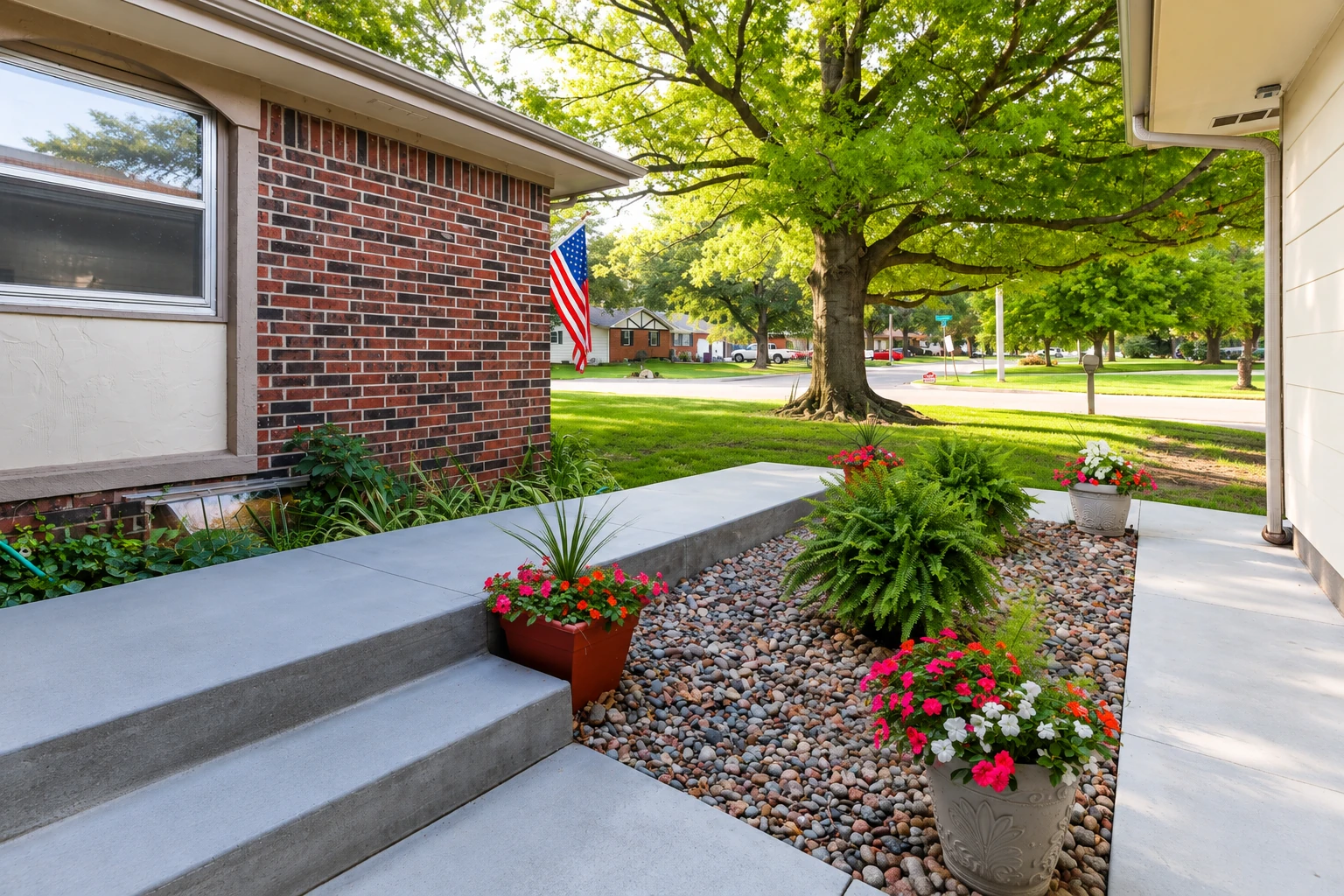
Rolling Hills Estates is mostly homes on good-sized lots, with the open land of George F Canyon and the Chandler Preserve close by and some properties set up for horses. It's close to our home base in Palos Verdes Estates, and we work in the cities around it too, from Lomita to Rancho Palos Verdes.
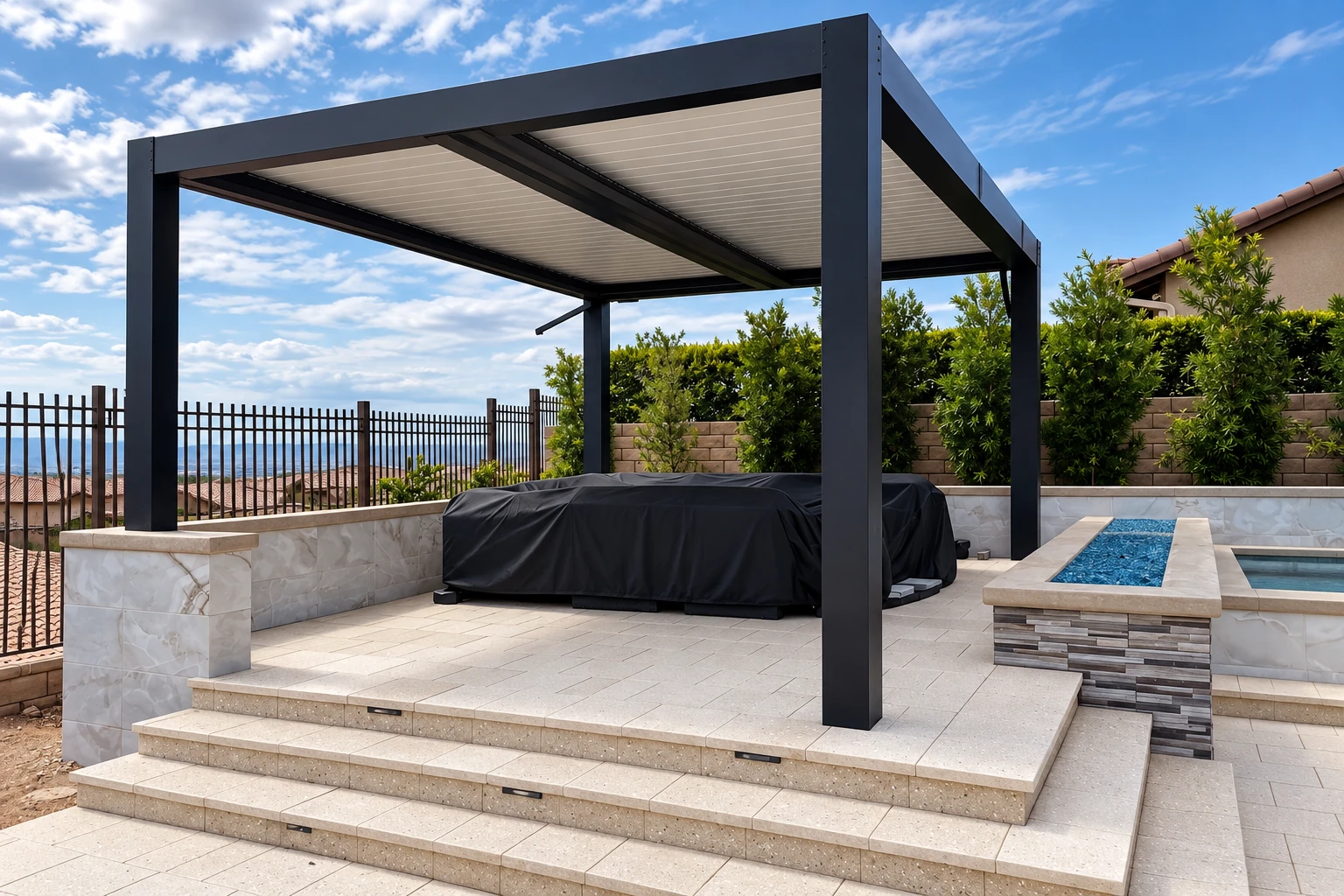
On our jobs here, the driveway is usually the big piece, often long and on a grade, with patios, walkways and steps in the side and back yards. A lot of these houses still have older concrete, and it shows its age with cracks, sunken sections and water pooling where it shouldn't. The ground decides most of the job. A sloping lot means we plan where the water goes before anything else, and a long driveway means more base to dig out and pack before any concrete shows.
How a concrete job moves through city review
In Rolling Hills Estates, every project goes to the Planning Division first, which checks it against the zoning rules for things like lot coverage and setbacks. After that, Building and Safety reviews the plans before it issues a building permit. Even work the city says needs no building permit still needs that zoning sign-off. When your job needs a permit, we take care of it and set up the inspections, and if we're not sure what applies, we check with the city before we start. That goes for a new driveway as much as for concrete retaining walls, where the wall's height and its spot on the lot can change the answer.
What sets the price and the schedule
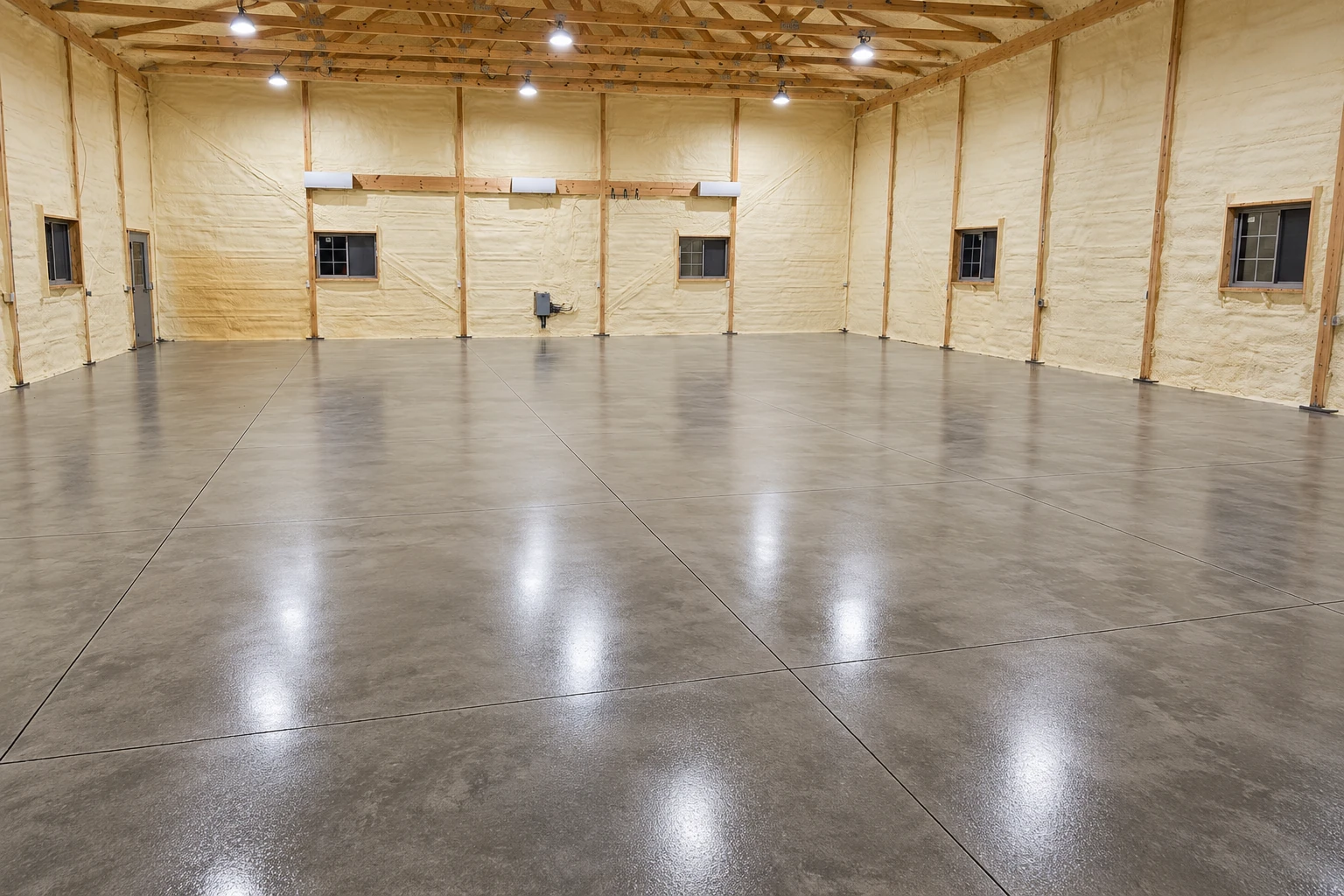
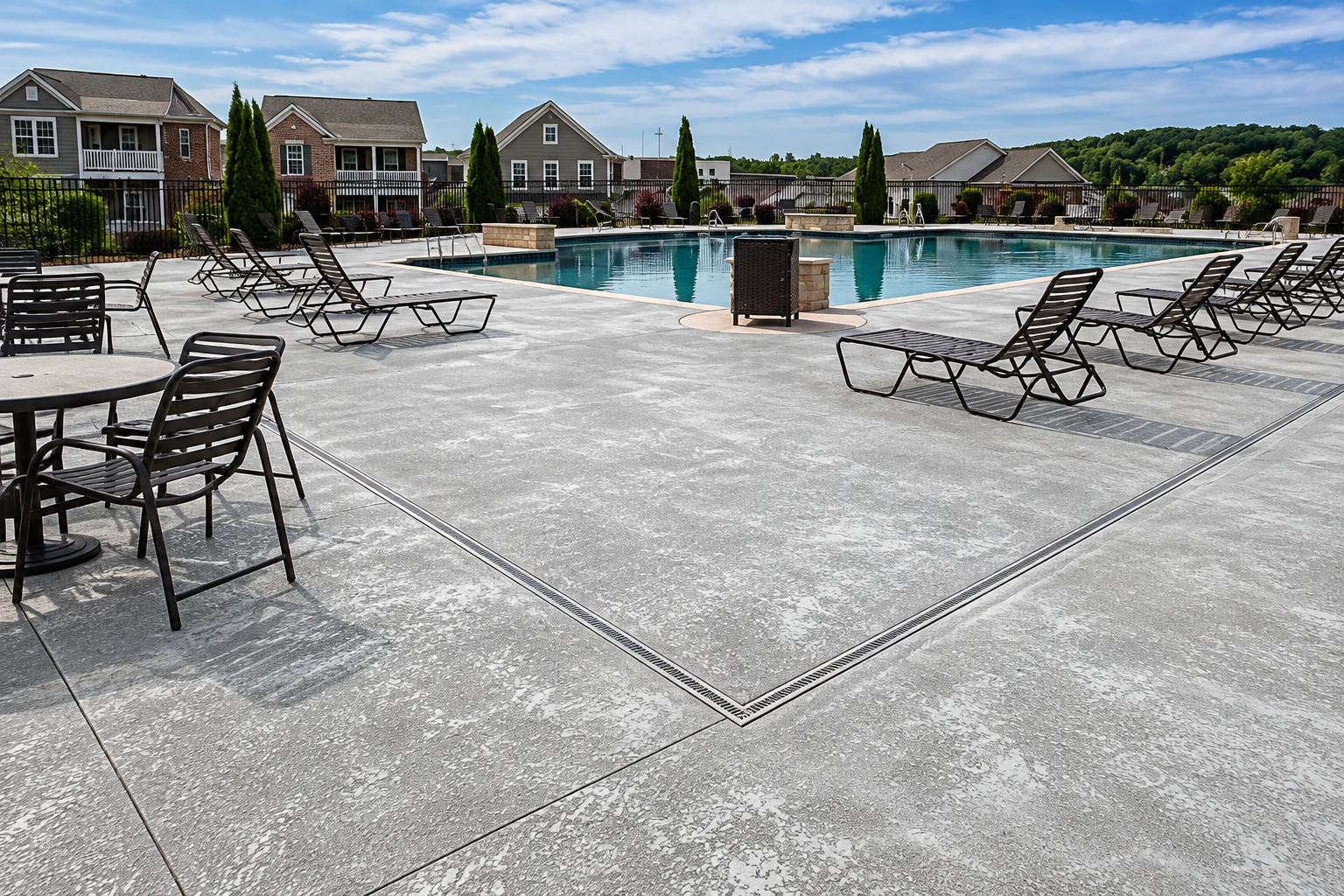
Price mostly comes down to the size of the slab, how much old concrete we break out and haul away, how much digging the base needs and the finish you pick. A plain broom finish, the light texture that keeps it from getting slick, costs less than stamped or colored work. A steep driveway or a tight side yard adds time, because we may have to wheel the concrete in instead of chuting it straight from the truck. The schedule turns on city review, the weather on pour day and curing, the wait while the concrete gains strength. You'll be back on it on foot well before you can park on it. I'll write up the estimate for your job when I come out.
Why we put the time into the base
When a driveway here has cracked and sunk, the cause is usually underneath it. Somebody raked the dirt flat instead of digging it out and packing it, so the slab settled right along with the dirt. On a sloping lot the water has to go somewhere too, and a slab that falls toward the house sends it straight at your foundation. So we dig out, pack the base and check where the water runs before a form goes up. If the budget gets tight, I'd rather keep the base and go with a simpler finish, because you can redo a surface later but not the ground under it. I learned that from an old-school finisher who'd make me pull my forms and reset them if they were off at all.