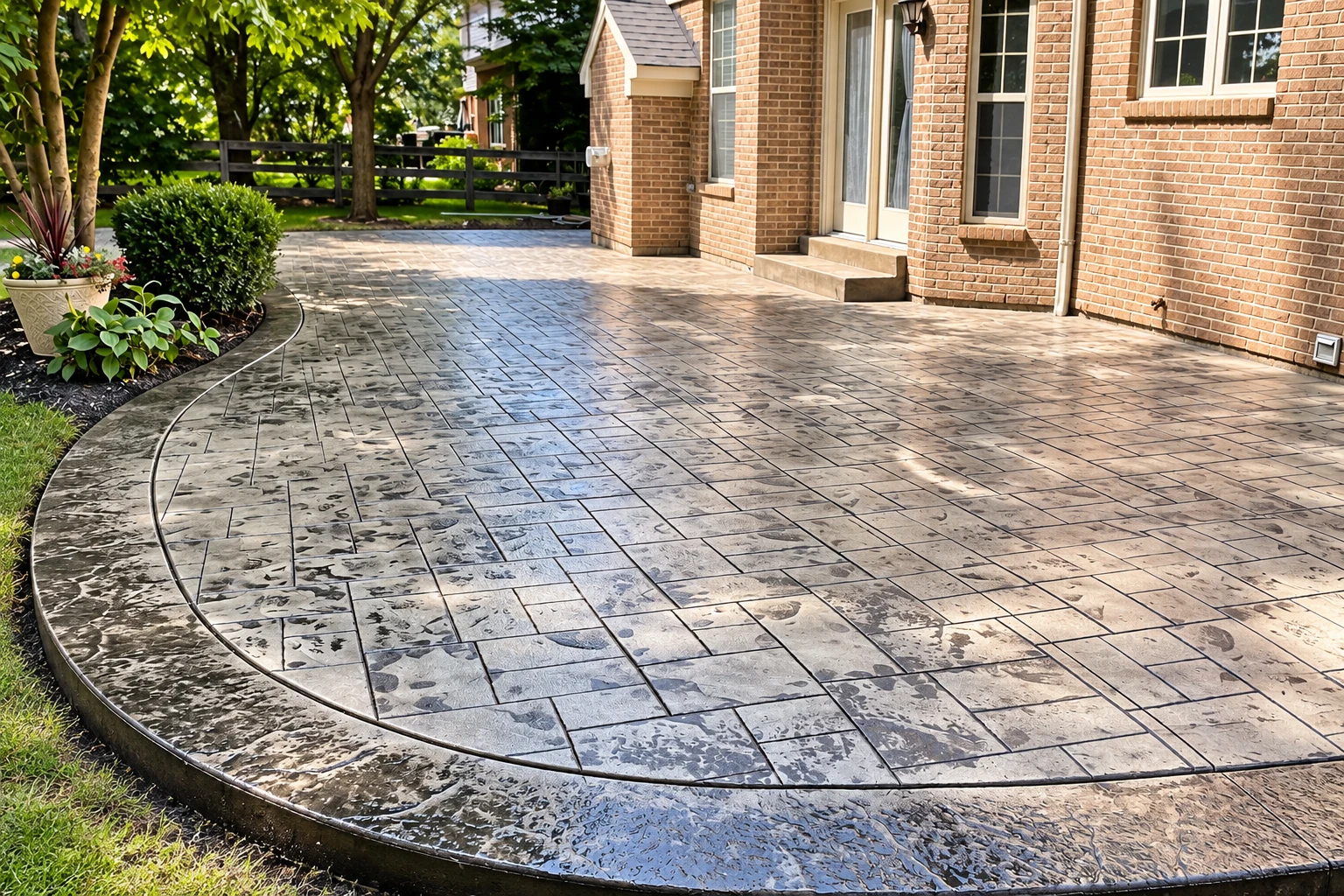
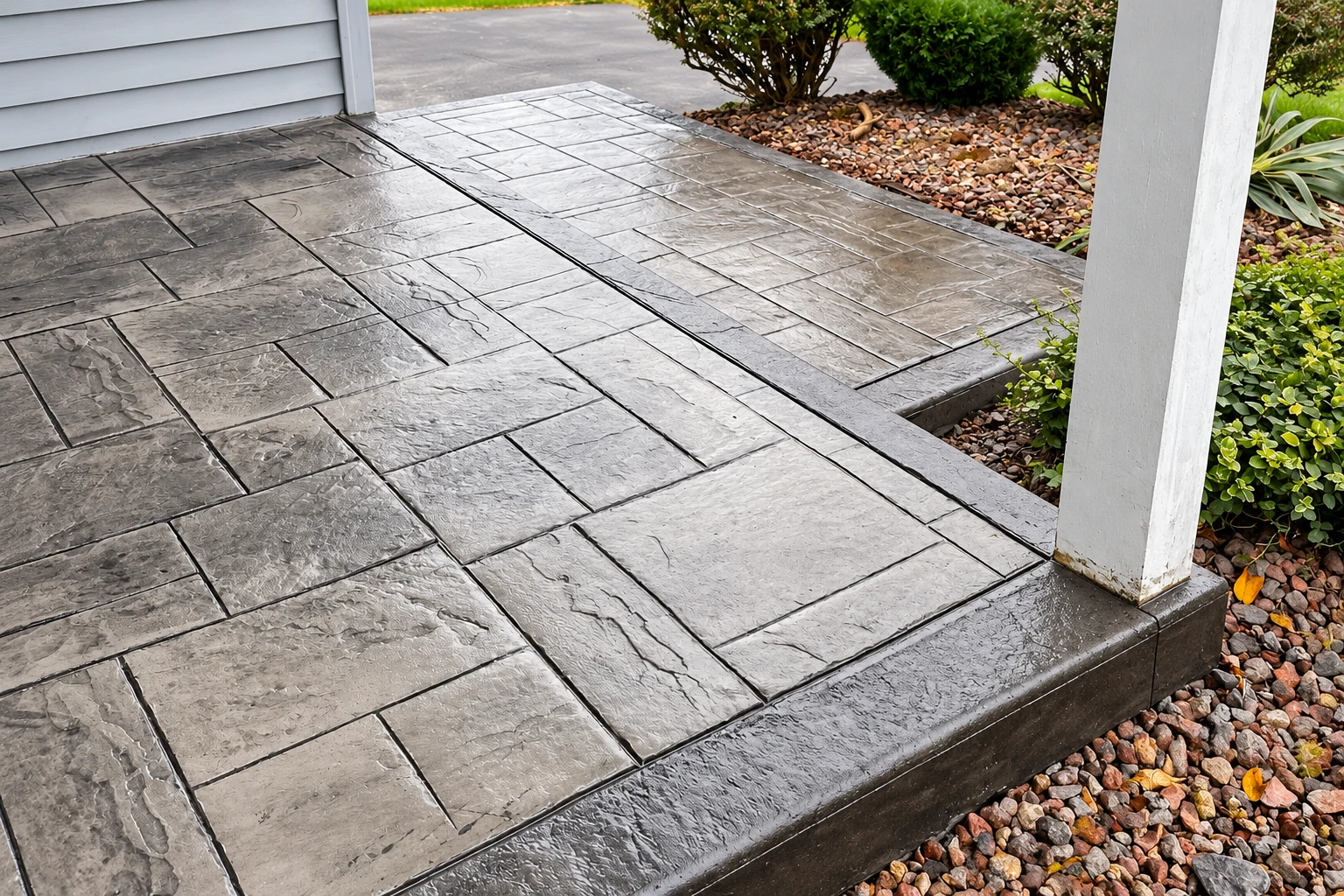
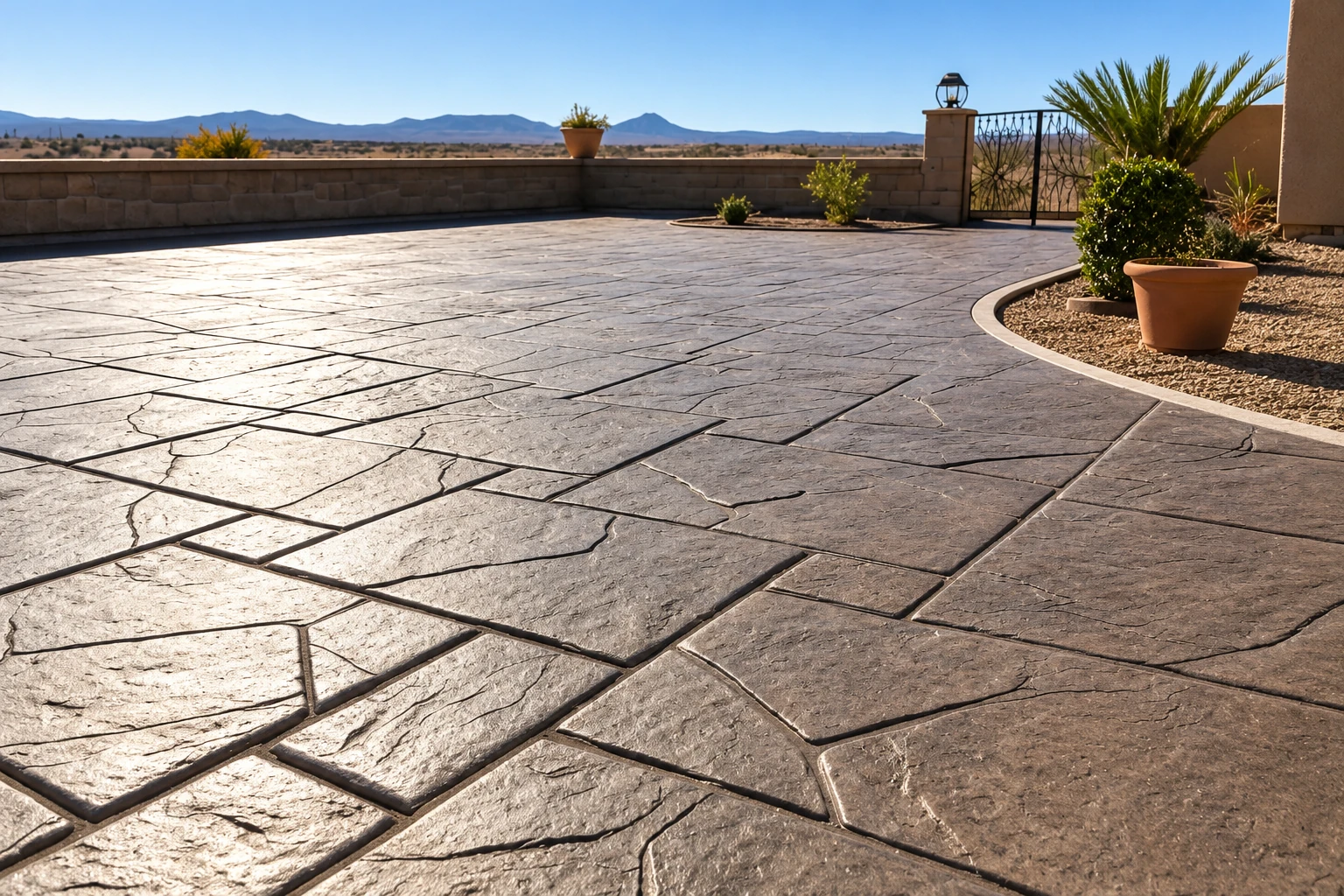
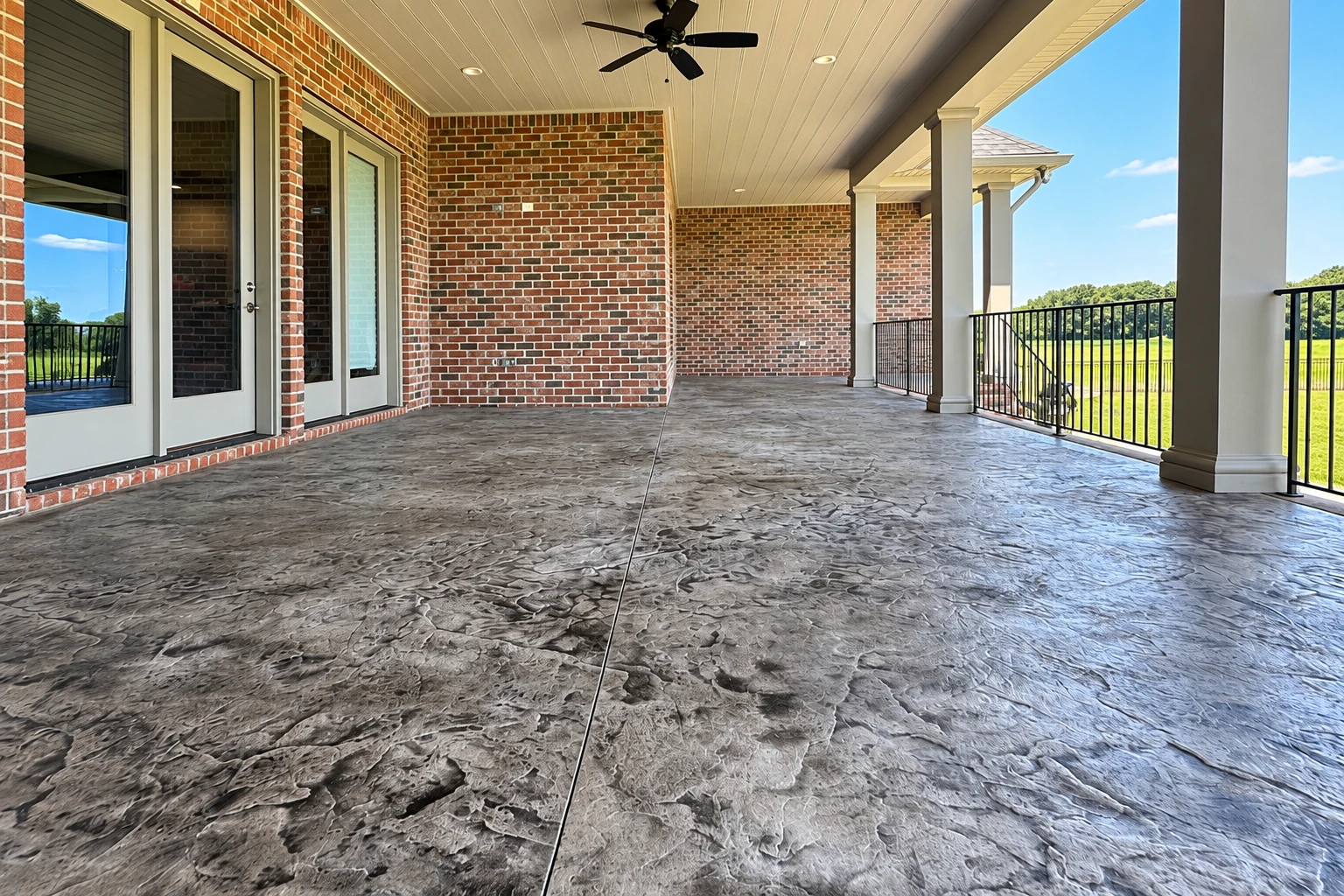
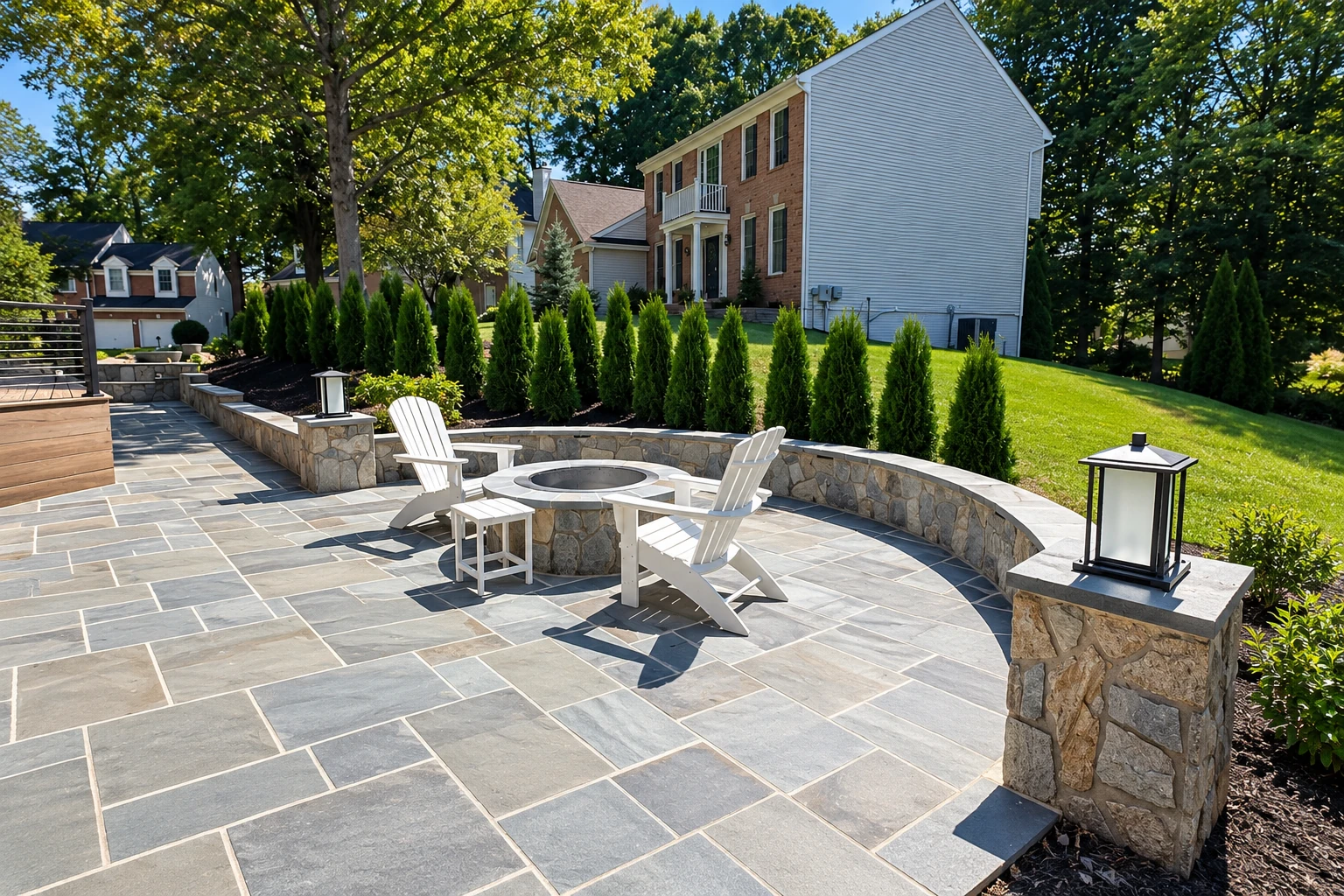
We're based next door in Palos Verdes Estates, and Redondo Beach is one of the cities we work in, along with Torrance and Hermosa Beach. The calls we get here are usually about a cracked or sinking driveway, a backyard slab where water pools, or front steps that have started to tip.
A lot of the houses here are older, including the blocks of the original townsite that are listed on the National Register of Historic Places, and plenty sit on narrow lots where the driveway runs tight along the house. On a lot like that there's not much room to move water away, so the slope of the slab matters as much as the concrete itself. Getting the old slab out and the new one poured without tying up the street takes some planning too.
Permits and inspections with the city
Redondo Beach's Building Division, at (310) 318-0636, issues permits for work on your property and handles the inspections. Work in the public way, which usually means where a driveway meets the street, goes through the city's engineering office instead. Depending on the job, Planning or other agencies may also need to sign off, and the city has a page where you can check whether a project needs a Planning permit. When a job needs a permit, we take care of it and set up the inspections. The city wants each inspection done before the work gets covered up, so on a slab that means before we pour.
What sets your price and schedule
The price mostly comes down to how much old concrete we break out and haul away, how big the new slab is, how much digging the base needs, how close the truck can get on your lot, and the finish you pick. A plain broom finish, the light brushed texture that gives your shoes some grip, costs less than stamped or colored work, whether it's a driveway or a concrete patio. The schedule turns on the permit and inspections, and then on curing, the days the concrete needs to gain strength. You'll stay off a new driveway longer than a patio. I come out and write the estimate myself, so call (424) 307-8097 to set a time.
Why we put the money into the base
Most of the cracked or sunken slabs we tear out had a base that was raked flat instead of dug out and packed, so it settled with the dirt underneath and took the slab down with it. We dig down to firm subgrade, the ground the slab sits on, and pack the base. We slope the slab so water runs away from the house, keep the pour out of the midday heat that leaves a weak, dusty top, and cut control joints, shallow grooves that tell the slab where to crack. My old boss drilled into me that the base matters more than the finish. If the budget's tight, go plainer on top, because the only way to fix a bad base is to tear the whole slab out.