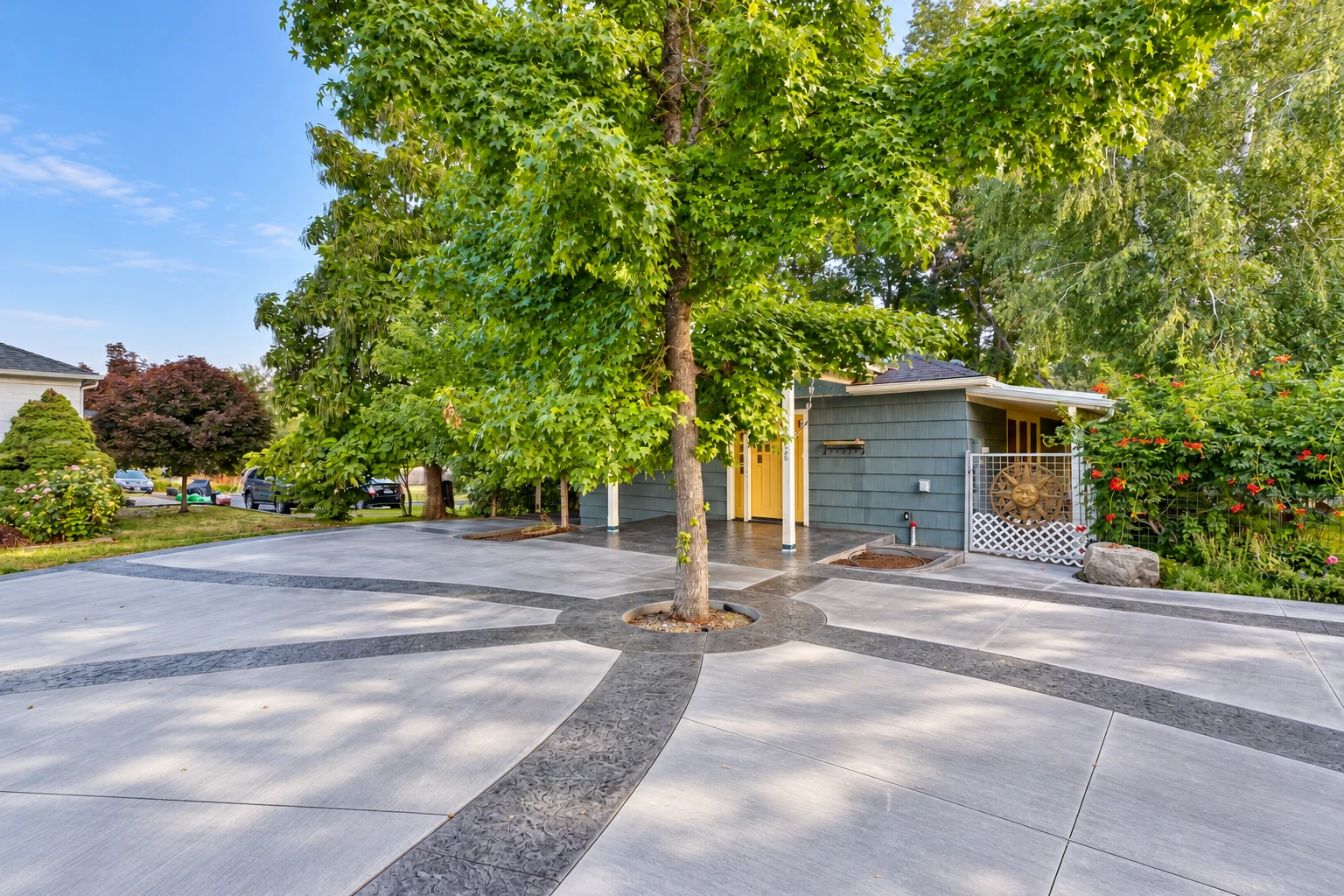
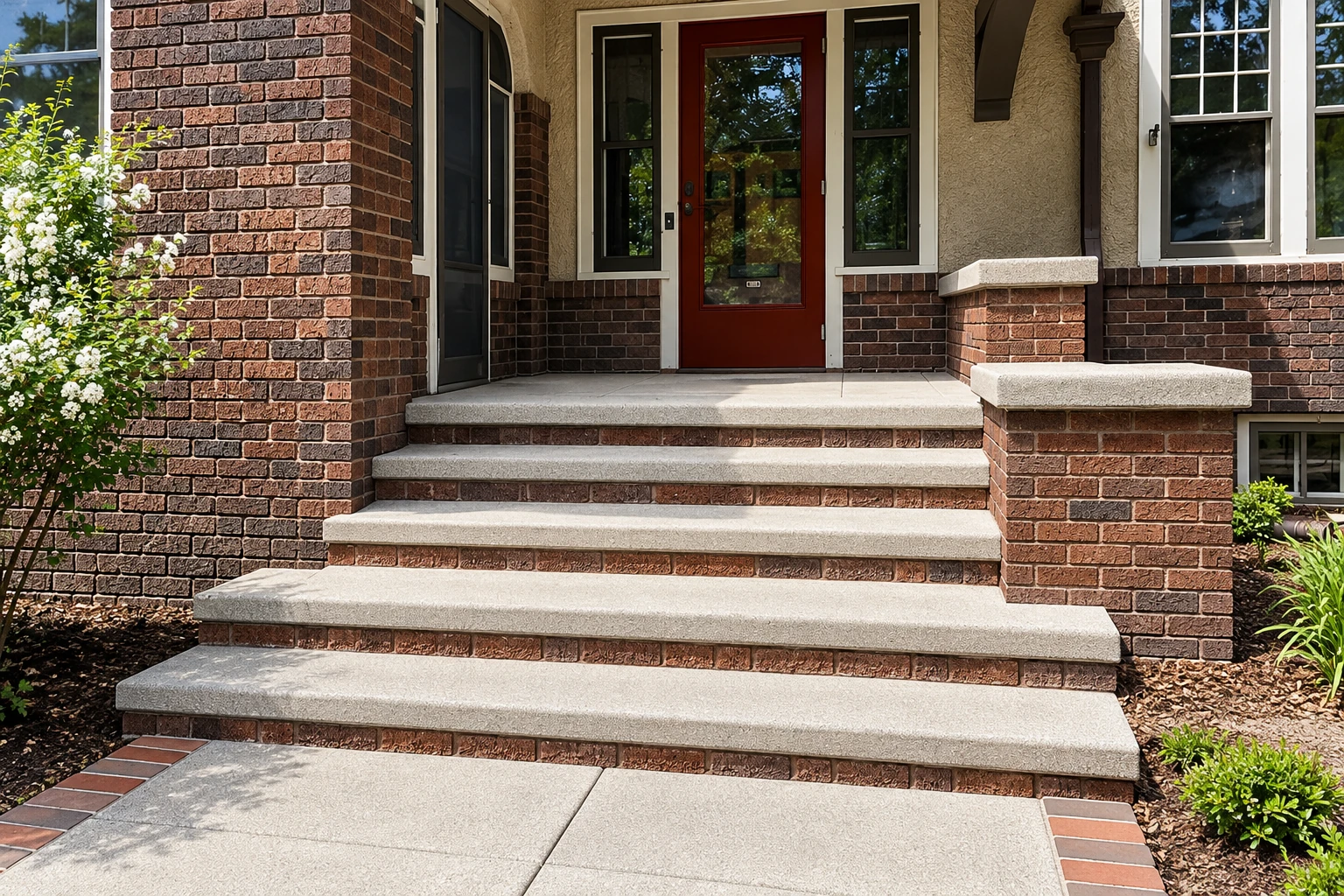
Torrance is a big city, with block after block of houses mixed in with shops and business lots, and some of those property owners call us about paving. On the residential streets we mostly get the same calls we see in Rancho Palos Verdes and Lomita. Those are driveways that have cracked or sunk, patios that hold pooling water, and walls and steps that have started to lean or chip.
The ground is the part that keeps me careful here. When a Torrance slab sinks or cracks, the trouble usually started underneath, so that's where I spend most of an estimate looking.
Why Torrance soil decides the base
The city has pointed to expansive soil as the reason its foundation rules got stricter. That's the kind that swells when it's wet and shrinks as it dries, and the city ties tougher soil checks to nearby faults and hillside lots. So the subgrade, what your slab sits on, matters more here than the finish. We dig out soft dirt and pack the base instead of raking it level, because a raked base settles and takes the slab with it. No slab is crack-proof, so we also cut control joints, shallow grooves that give a crack a straight, tidy place to go.
Lining up permit paperwork in Torrance
Before a permit application goes in, the city wants Zoning Clearance from its Planning or Environmental Division, and proof of it goes in with the application so the review doesn't stall. Since January 5, 2026, all plan reviews and permit submittals are electronic, and the city no longer takes paper plans. You can follow a permit's status on the city's online permit portal, so you'll know where things stand without waiting on a call from us. That review is one of the things that sets your start date, which is why I bring it up at the estimate and not the week we're ready to pour.
What moves your price and schedule
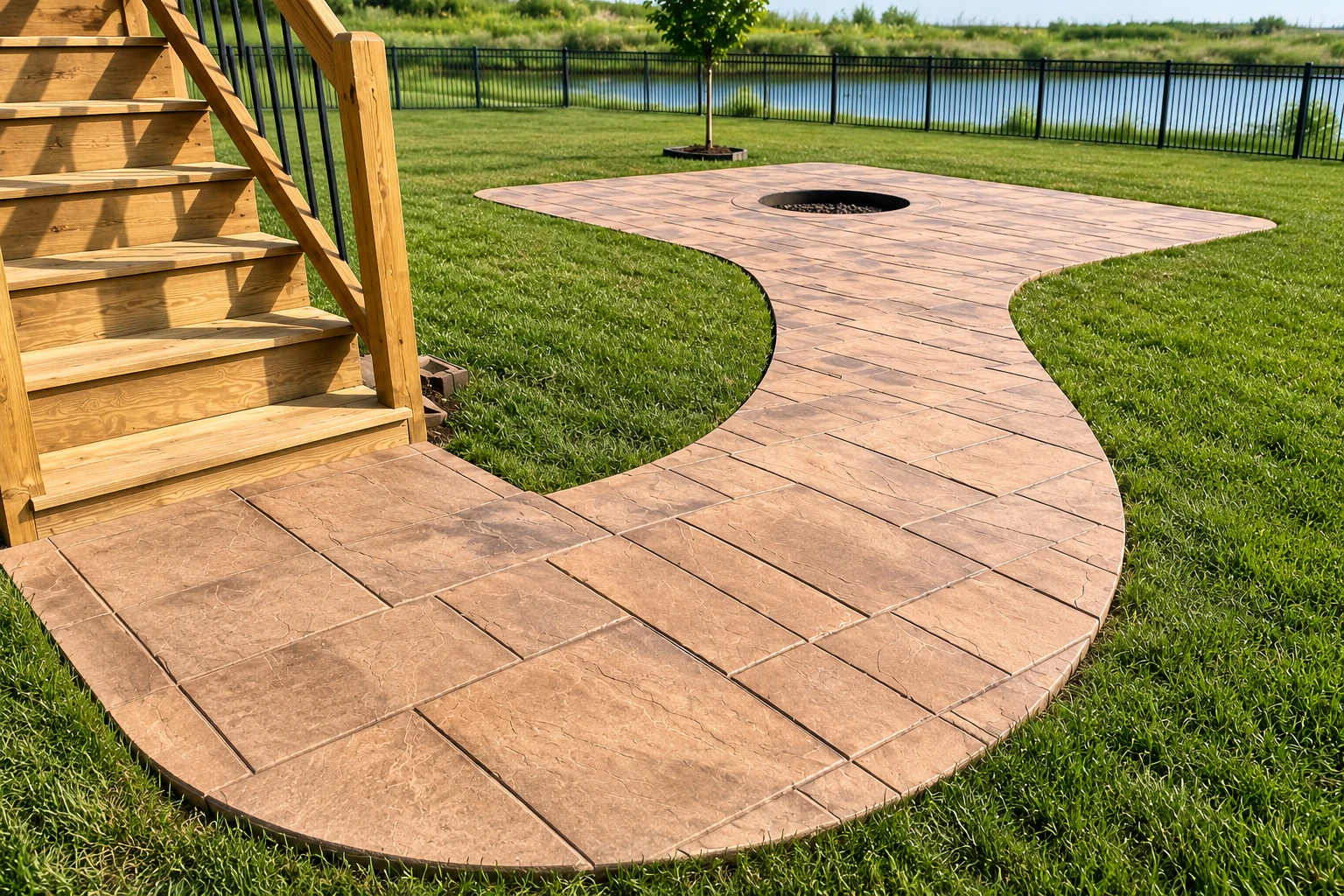
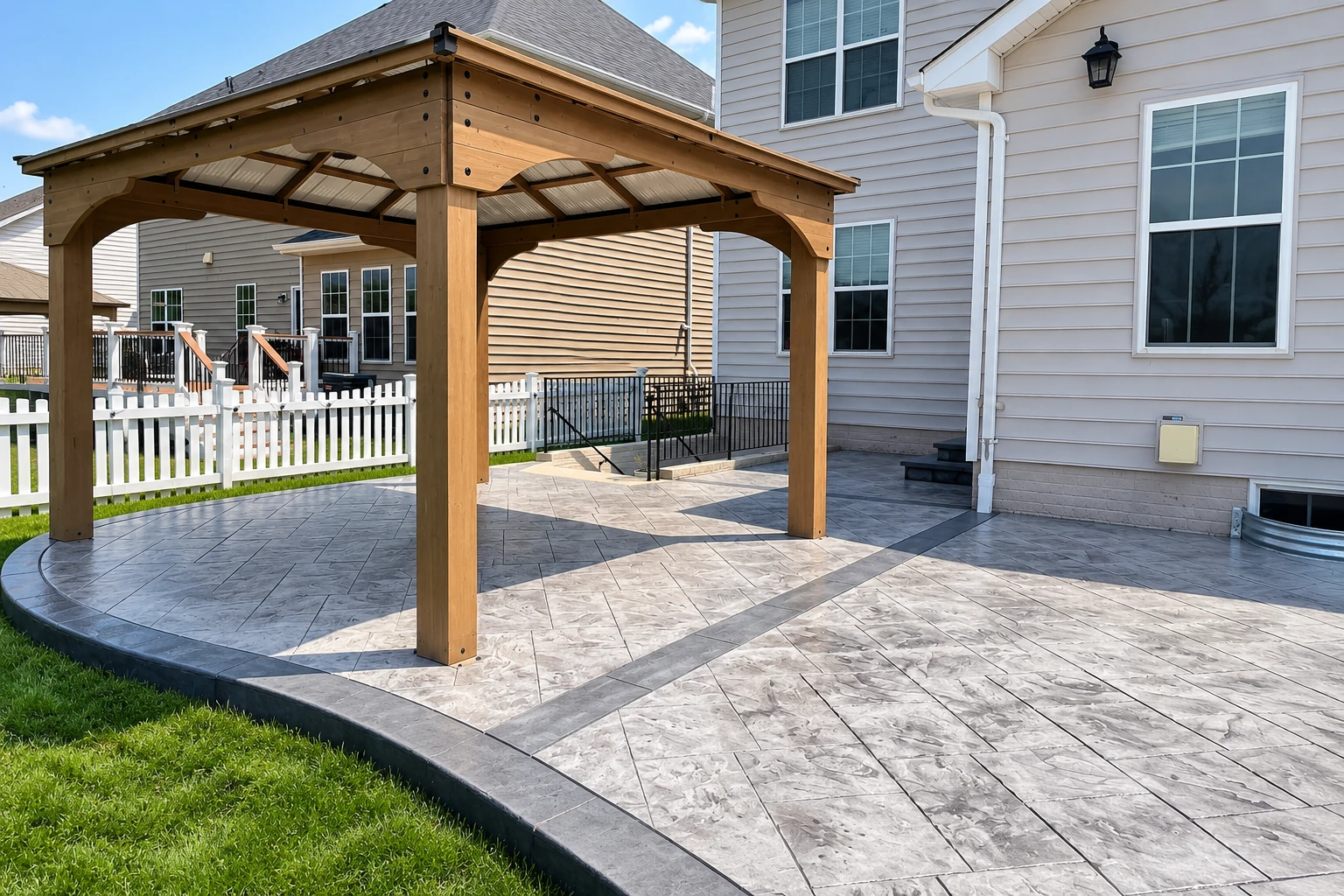
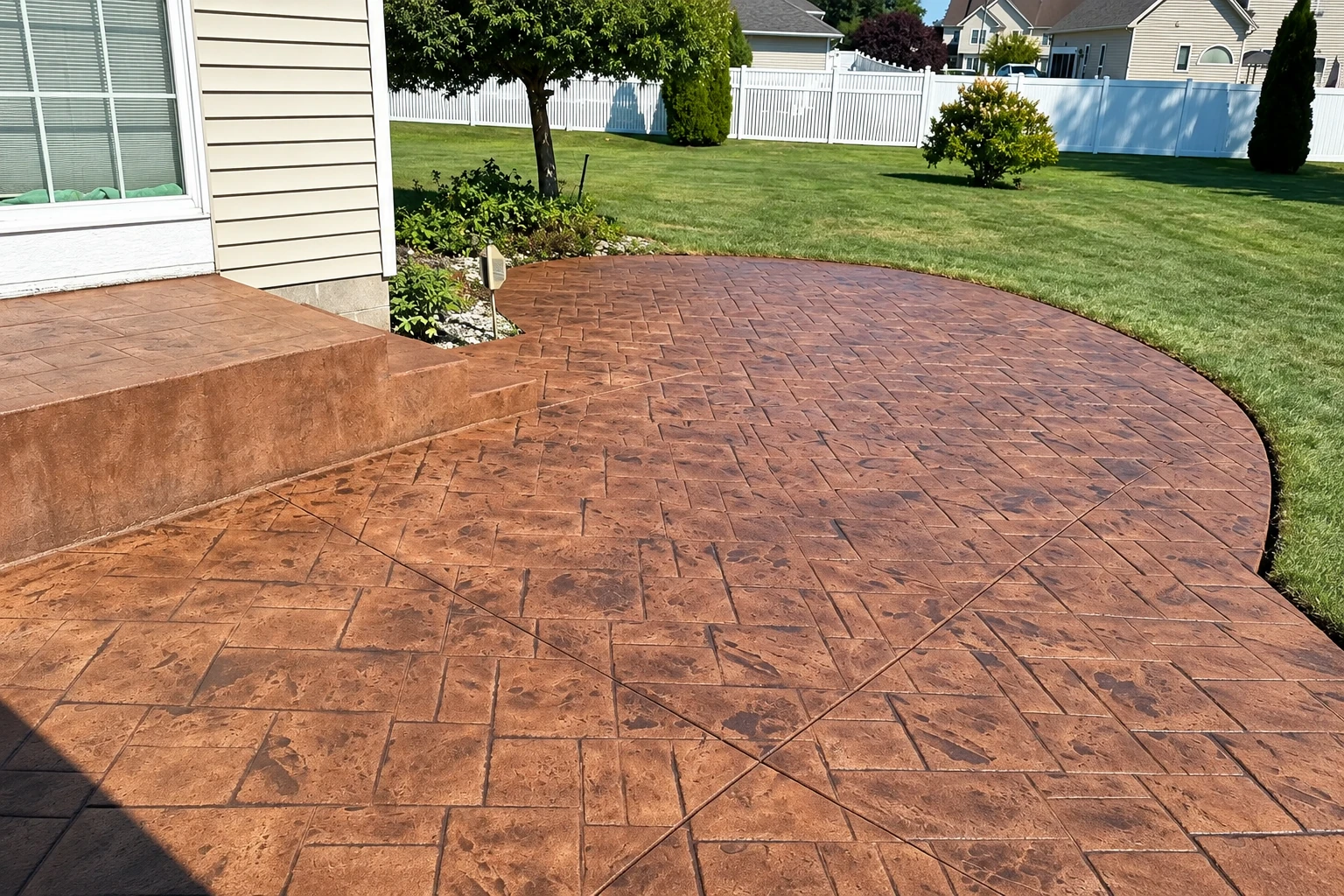
Size and thickness set most of the price. After that it's how much old concrete we break out, how much dirt has to go and how easy it is to get a truck to your yard. A finish like stamped concrete costs more than a broom finish, the light texture that keeps a wet slab from getting slick. If the budget's tight, cut the finish and not the base, because the base is buried on day one and it decides whether the slab holds up. Beyond the permit, the schedule turns on curing, the wait while the concrete hardens enough to walk on and later to drive on. I come out and write your estimate myself.